Choose the role before the fiber
Autumn knitwear is easiest to shop for when you know how you will use it. A thin office layer, a substantial weekend sweater, and a cardigan for variable indoor temperatures have different jobs. Look at your existing coats and shirts before choosing a new knit. The garment needs to fit into those combinations, particularly around the sleeves and shoulders, where several layers can quickly become uncomfortable.
Write one clear purpose for the purchase. You may need a cardigan that closes over a dress, a sweater that fits under a raincoat, or a washable everyday layer for a busy week. This makes comparison more useful than starting with a favorite color in an unfamiliar silhouette. If you already own several pieces with the same role, the better next step may be caring for them rather than adding another.
Read composition without turning it into a ranking
Fiber composition offers useful clues, but it does not tell the whole story of softness, warmth, shape, or durability. Yarn, knit structure, garment weight, finishing, and your own sensitivity all contribute. A natural-fiber label is not a guarantee that a sweater will feel comfortable against your skin. Blends can serve practical purposes, so judge the finished garment and its care requirements rather than using a single ingredient as the verdict.
If possible, hold the fabric near your neck or wrist and try it over the type of base you usually wear. Give yourself time to notice irritation. Read the label and ask about the return policy before assuming a wash will change the feel. If the sweater only feels comfortable over a substantial shirt, decide whether that combination suits the temperatures and settings where you plan to use it.
Examine shape while moving
Raise your arms, sit, and reach forward during the fitting. Check whether the hem rises excessively and whether the neckline presses where you do not want it. A dropped shoulder can create a relaxed line but may add bulk beneath a fitted coat. A close sleeve can feel neat alone yet restrict a shirt underneath. Try the whole combination whenever possible instead of evaluating the sweater in isolation.
Inspect cuffs, neckline, seams, and buttons for obvious irregularities or loose construction. Stretch ribbing gently only as you would during normal wear; there is no need to stress a garment to assess it. For cardigans, close the buttons and look for pulling across the chest or stomach. Size up only if the overall shape remains comfortable; a different cut may solve the problem more effectively.
Choose color and texture for actual outfits
Lay the proposed knit beside the trousers, skirts, and outerwear it will accompany. A color can be beautiful by itself and still connect to very little in your wardrobe. You do not need a neutral, but you do need combinations you enjoy. Check the neckline against your usual jewelry and shirt collars. These small relationships influence how often a sweater becomes the easy choice on a weekday morning.
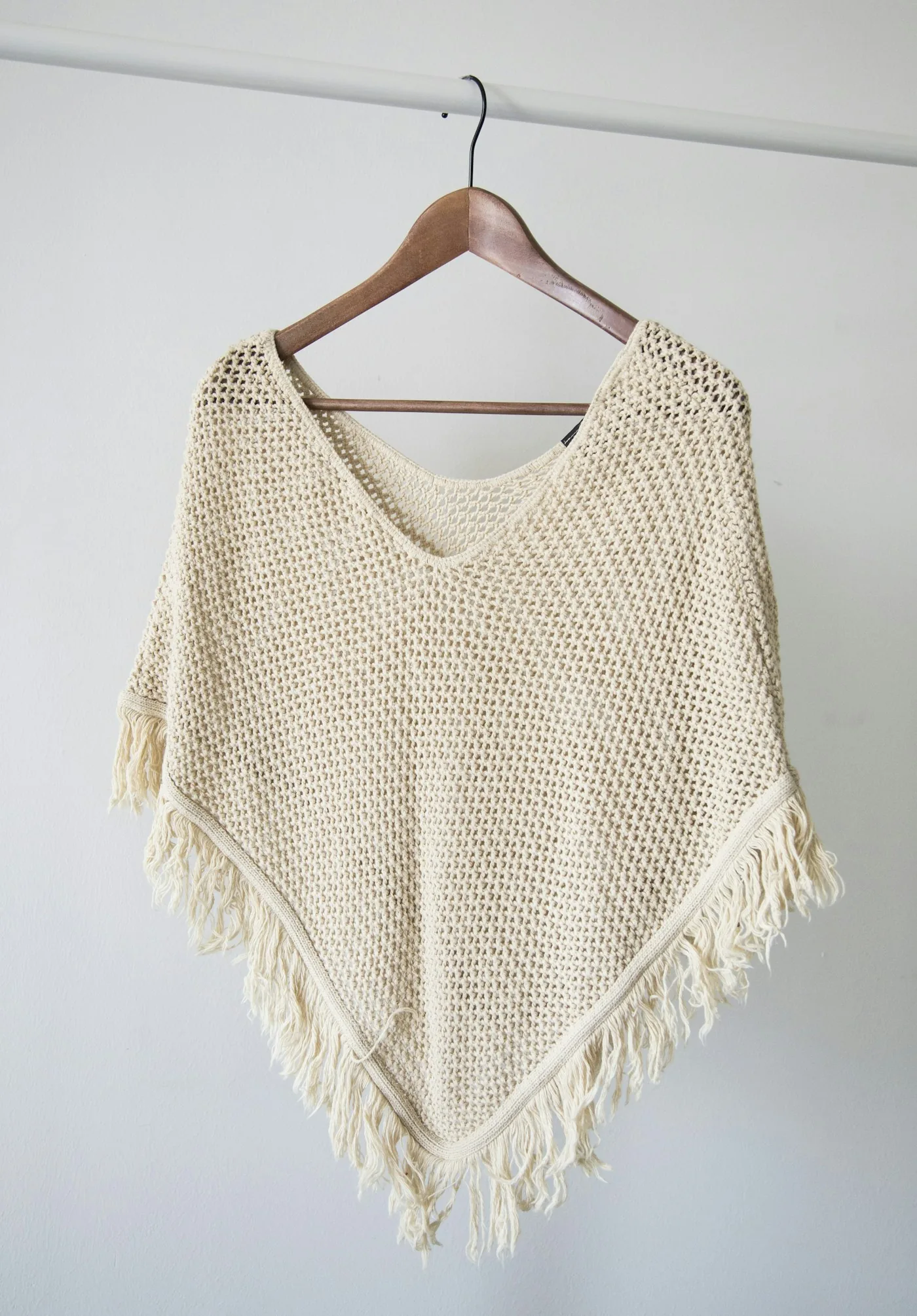
Consider texture in relation to your bag, jewelry, and routine. A very open knit may catch on rough hardware, while a bulky surface can feel crowded beneath outerwear. Pilling can occur with wear and friction and does not by itself provide a complete judgment of garment quality. Avoid promises that a particular composition will never pill. Instead, consider whether the fabric and your habits make a manageable partnership.
Buy with a care routine you can maintain
Read the exact care label before purchasing. A sweater that needs specialist cleaning may be reasonable for occasional use, but less appealing as your most frequently worn layer. Follow the instructions for washing, drying, and ironing rather than applying a rule to every knit. If a garment requires drying flat, check that you have an appropriate space and enough time before the next wear.
Store clean, fully dry knits in a way that supports their shape, and inspect them periodically for damage. If removing pills, use a suitable method cautiously and follow tool and garment guidance. Address loose threads or small repairs before they worsen. Finally, ask whether you would still want the sweater if caring for it were part of the price. A good autumn purchase is one whose fit, outfits, and maintenance all make sense in your real week.