
Choosing the Inner Neckline for a Coat You Wear Often
Practical advice on choosing the Inner Neckline for a Coat You Wear Often, with specific checks, clear tradeoffs and a manageable plan for ordinary days.
Everyday style. Considered living. Beautiful escapes.
Wearable outfit formulas, wardrobe decisions and buying advice for the days you actually have.
Practical advice on choosing the Inner Neckline for a Coat You Wear Often, with specific checks, clear tradeoffs and a manageable plan for ordinary days.

Practical advice on keeping Everyday Bag Contents Organised on a Wet Day, with specific checks, clear tradeoffs and a manageable plan for ordinary days.

A Soft Woven Shirt for Relaxed Everyday Plans: practical checks, useful tradeoffs and specific troubleshooting for considered purchases that fit ordinary days and real plans.

An Umbrella That Fits the Bag and the Walk: practical checks, useful tradeoffs and specific troubleshooting for considered purchases that fit ordinary days and real plans.

A Knitted Dress with Layers That Do Not Bunch: practical checks, useful tradeoffs and specific troubleshooting for considered purchases that fit ordinary days and real plans.

A Fluid Skirt with a Familiar Knit for Daytime: practical checks, useful tradeoffs and specific troubleshooting for considered purchases that fit ordinary days and real plans.
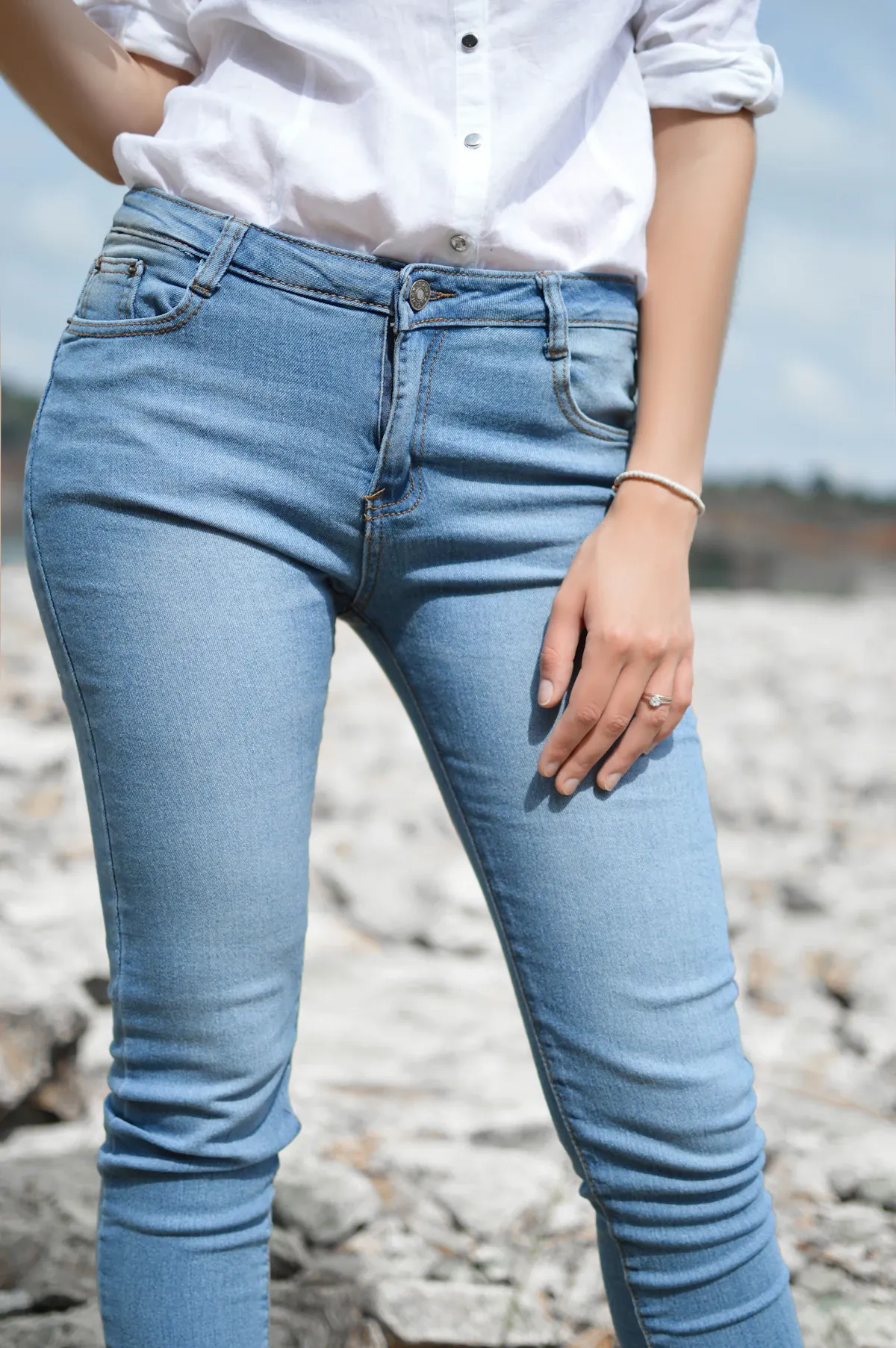
Light Denim for Ordinary Errands and Casual Plans: practical checks, useful tradeoffs and specific troubleshooting for considered purchases that fit ordinary days and real plans.

An Elasticated Waist with Smart Everyday Separates: practical checks, useful tradeoffs and specific troubleshooting for considered purchases that fit ordinary days and real plans.
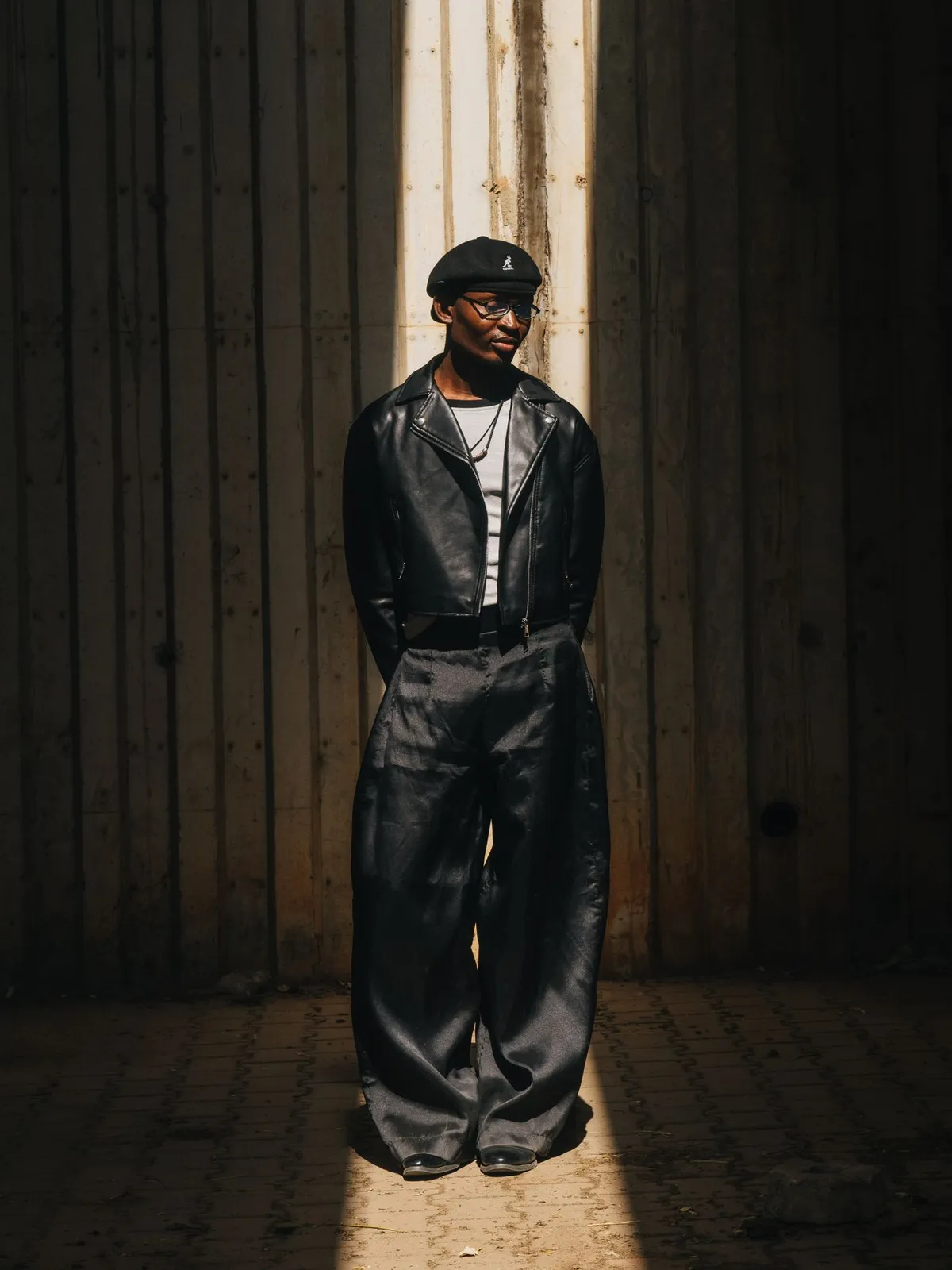
Practical advice on pockets in Everyday Clothes: Test Them with the Items You Carry, with specific checks, clear tradeoffs and a manageable plan for ordinary days.

A Denim Jacket over Dresses You Already Own: practical checks, useful tradeoffs and specific troubleshooting for considered purchases that fit ordinary days and real plans.
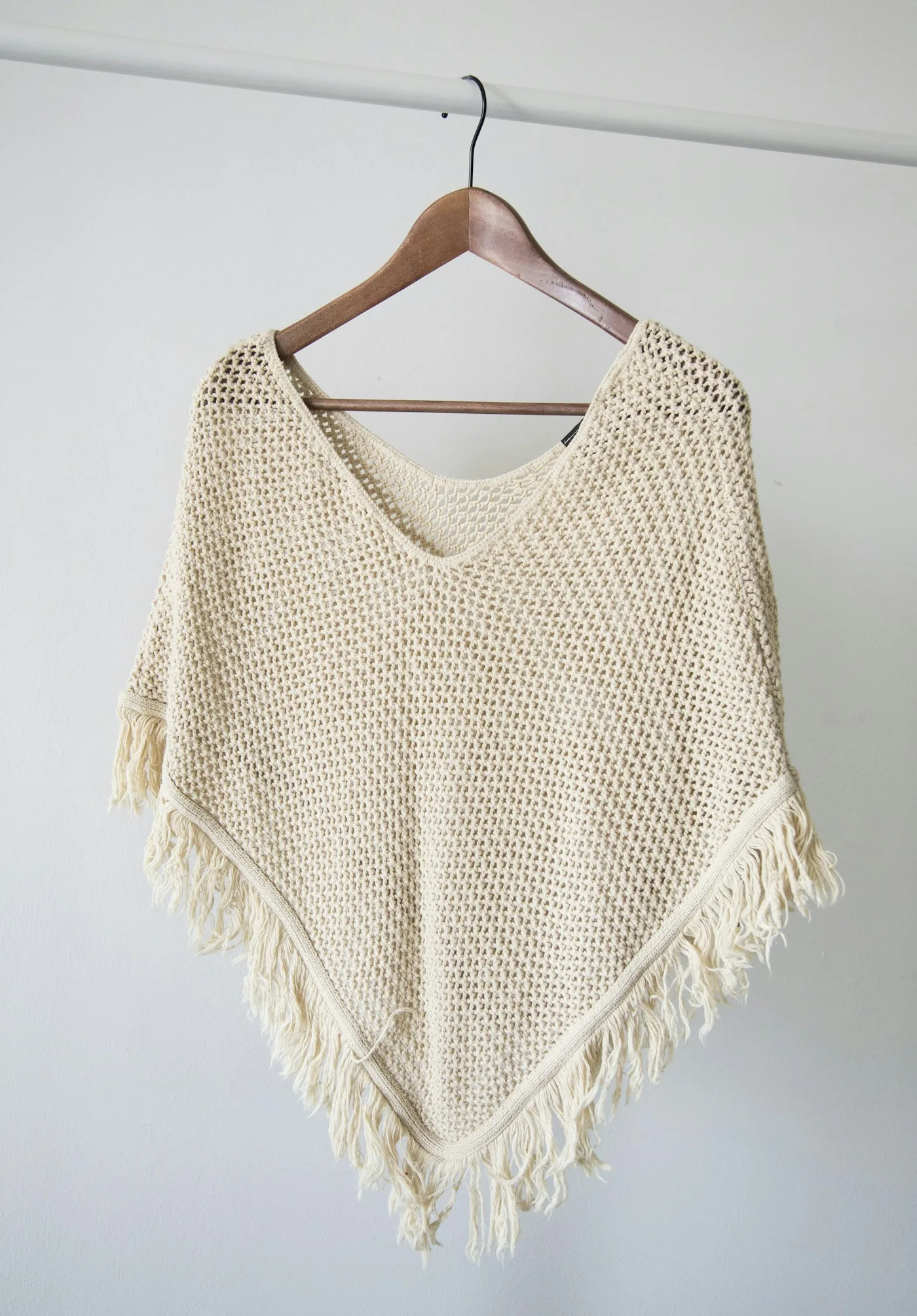
Compare sweater shape, fabric feel, construction, layering fit, and care requirements before autumn shopping.

Pack clothing around your itinerary, shoe choices, repeatable outfits, and a realistic laundry plan.

Assess linen opacity, construction, fit, care, and outfit combinations before choosing summer separates.
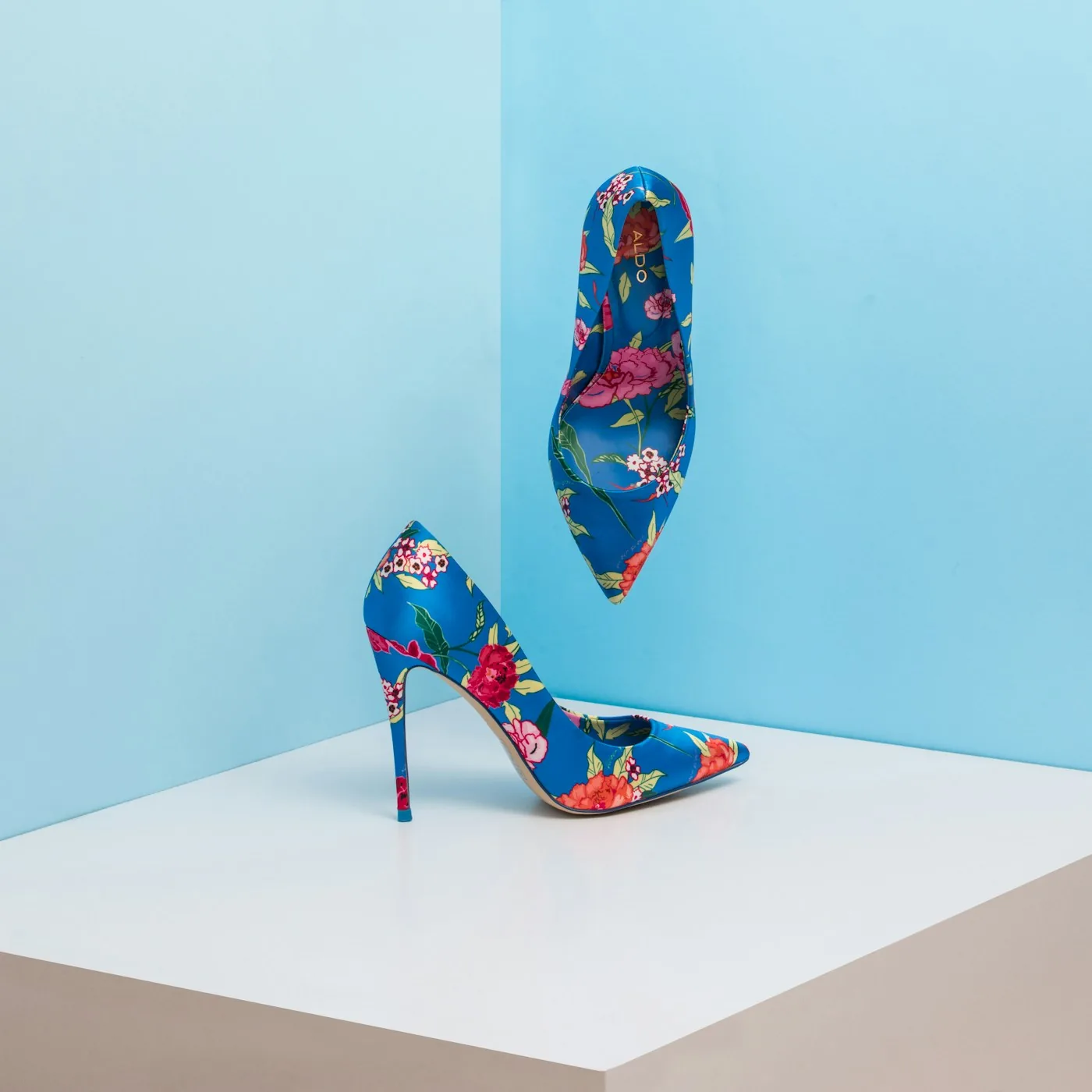
Plan a guest outfit around the invitation, temperature changes, comfortable shoes, and useful rewear options.
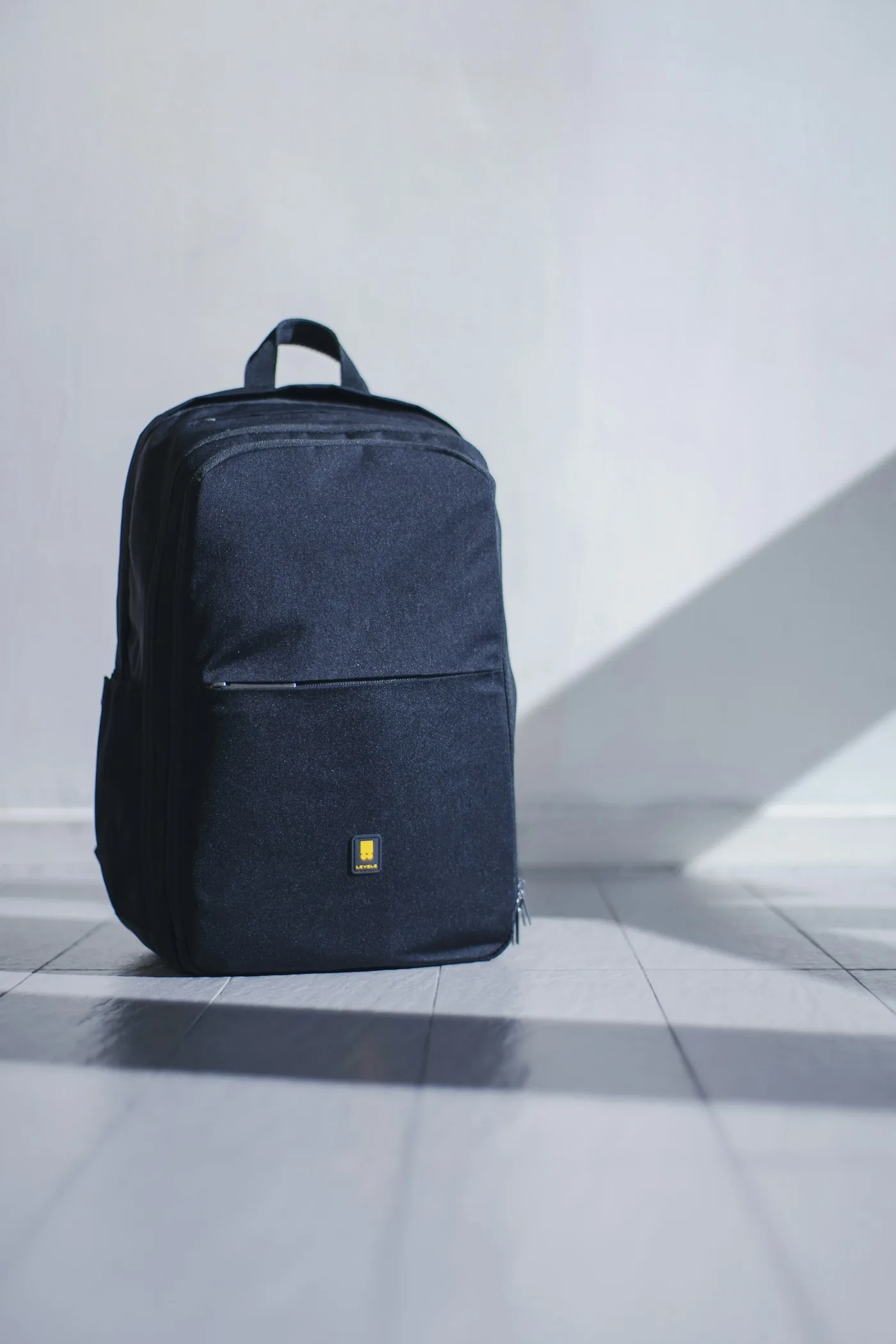
Choose everyday wet-weather footwear by route, closure, fit, and realistic care needs.

A fitting-room method for comparing rise, seat, leg shape, length, and stretch before buying jeans.

Plan layers that come off easily, fit beneath your coat, and remain comfortable between platforms and desks.
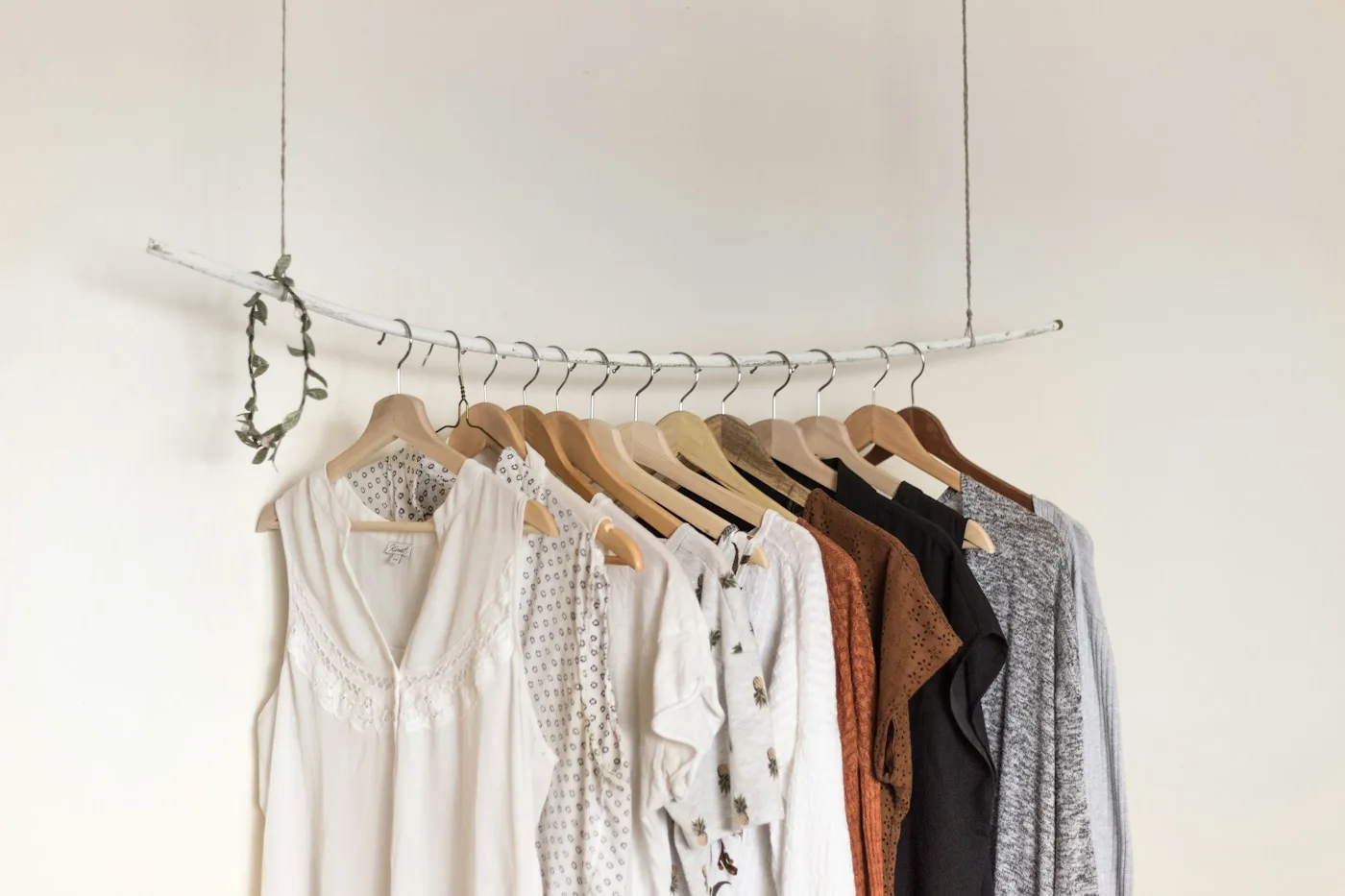
Build a small winter wardrobe around warmth, repeatable combinations, and the clothes you already reach for.
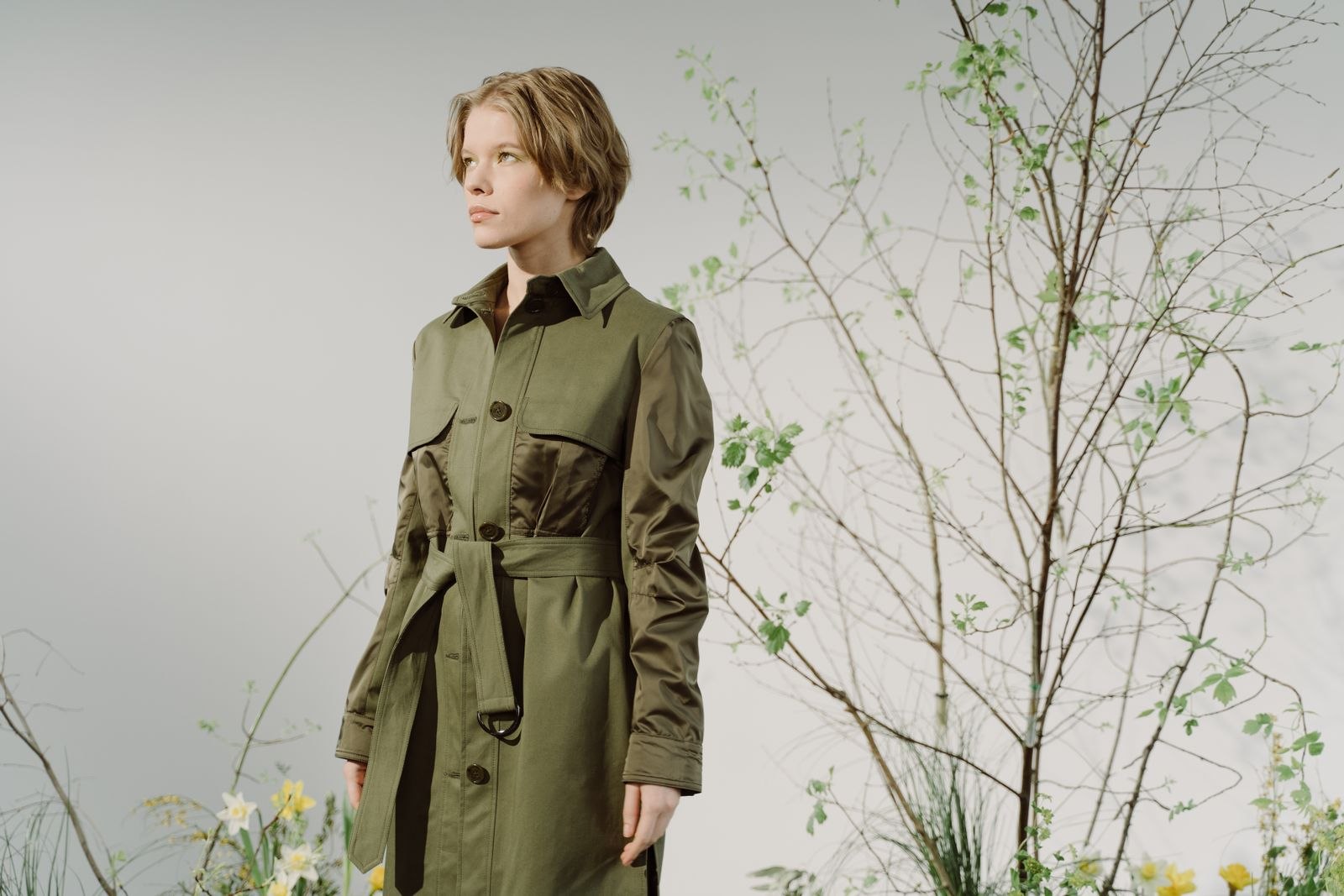
Try a coat’s intended belt arrangement with the actual day bag, checking where the two meet during ordinary carrying before choosing the outfit for a full day.

Give a pink dress a specific repeat-wearing role with familiar belongings, keeping the real activity central before planning any additional coordinated purchases.

Check a high neckline with the jacket intended for the day, keeping the actual collar and opening comfortable rather than assuming all elevated necklines layer alike.
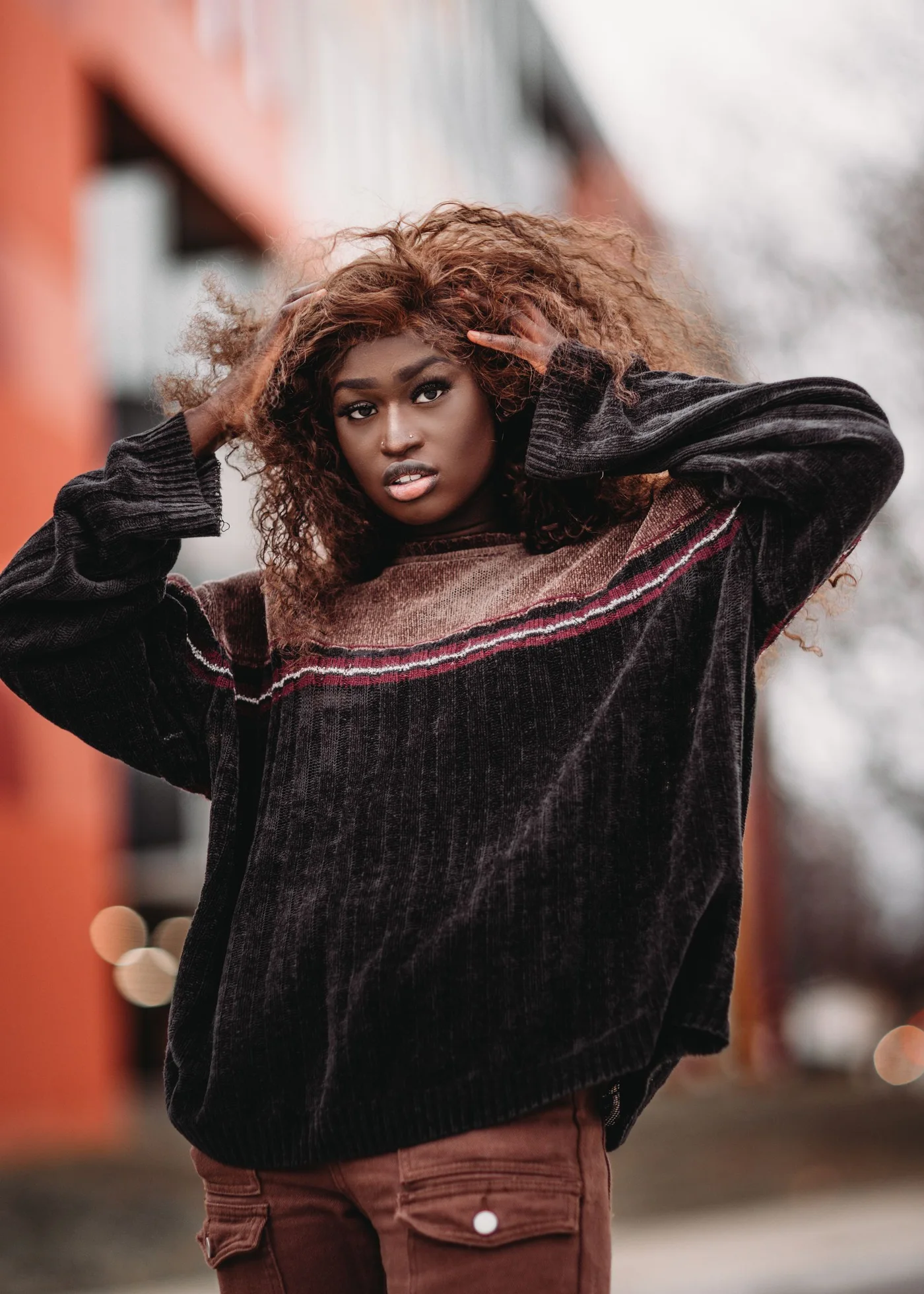
Try a textured top beneath an existing plain layer, checking the actual sleeve and opening arrangement before deciding whether the pairing serves an ordinary day.

Compare a light dress with an existing outer layer and the actual base outfit, keeping ordinary use clear before deciding that another garment is needed to complete the pairing.

Try lace-up shoes with the actual seated outfit, checking intended fastening and trouser position instead of judging the footwear relationship only from a standing view.

Try a floral dress with one clear necklace decision, considering the actual neckline and intended activity before adding jewellery to an already detailed outfit.

Return a long dress through appropriate care and support, keeping its full length and associated components clear instead of assigning it to any spare wardrobe gap.

Try a sweater hem beside the waistband actually planned for the day, checking ordinary movement instead of maintaining a carefully arranged front line only for the mirror.

Keep similar scarves identifiable in ordinary storage, preserving relevant product and care information without relying on colour memory or an unexplained label.

Read a dark printed dress’s actual lining and construction information before choosing it, keeping product details separate from the coverage suggested by an attractive photograph.

Read a jeans listing beyond the cropped model photograph, checking complete garment views and actual dimensions before assuming a visible lower leg describes the whole fit.

Try an animal-print outer layer with a familiar inner neckline, reviewing intended fastening and movement before choosing more accessories to complete a pattern-led outfit.

Try a printed shirt at the actual belt line of the outfit, checking its intended wearing arrangement and ordinary movement before adding another accessory to explain the pattern.

Give a polo top one specific role beside clothes already owned, separating an actual wardrobe gap from the attraction of a familiar collar silhouette in a product image.

Choose a long pleated skirt for a mostly seated plan by reviewing the actual table-side outfit, waistband and layer transition rather than only the standing hem.

Try a waistcoat with owned blouse sleeves, checking armhole contact, cuffs and seated use before replacing a familiar base to match another photographed silhouette.
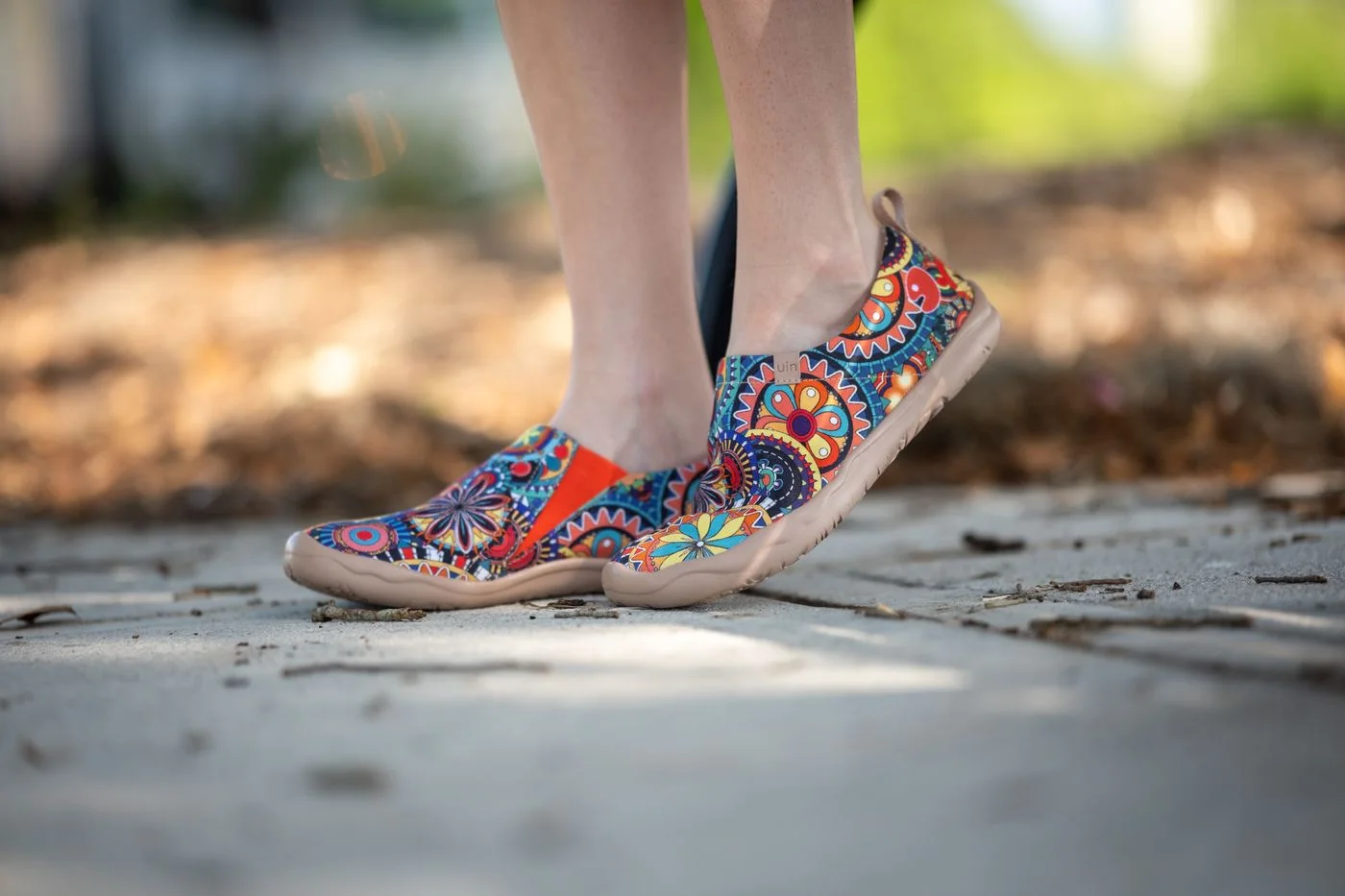
Read patterned shoes as an exact product with its own details, distinguishing the pair from surrounding styling before relying on a close image for a wardrobe purchase.

Compare owned bag colours beside a grey coat, keeping the carrying role stable so the contrast is a deliberate preference instead of an automatic matching purchase.

Give a checked overshirt a small plain supporting group, keeping the opening, sleeves and activity clear before buying pieces to match every colour in the check.

Compare one cardigan over two owned tops with the lower garment unchanged, making useful neckline and lower-edge differences clear without changing the whole outfit.

Choose a pleated-skirt and coat combination for the actual mix of outdoor and indoor stops, keeping the base outfit and ordinary seated transitions clear.

Read beaded texture at whole-outfit scale, comparing a close detail with the actual carrying view before deciding the clothes need more decoration to support an accessory.
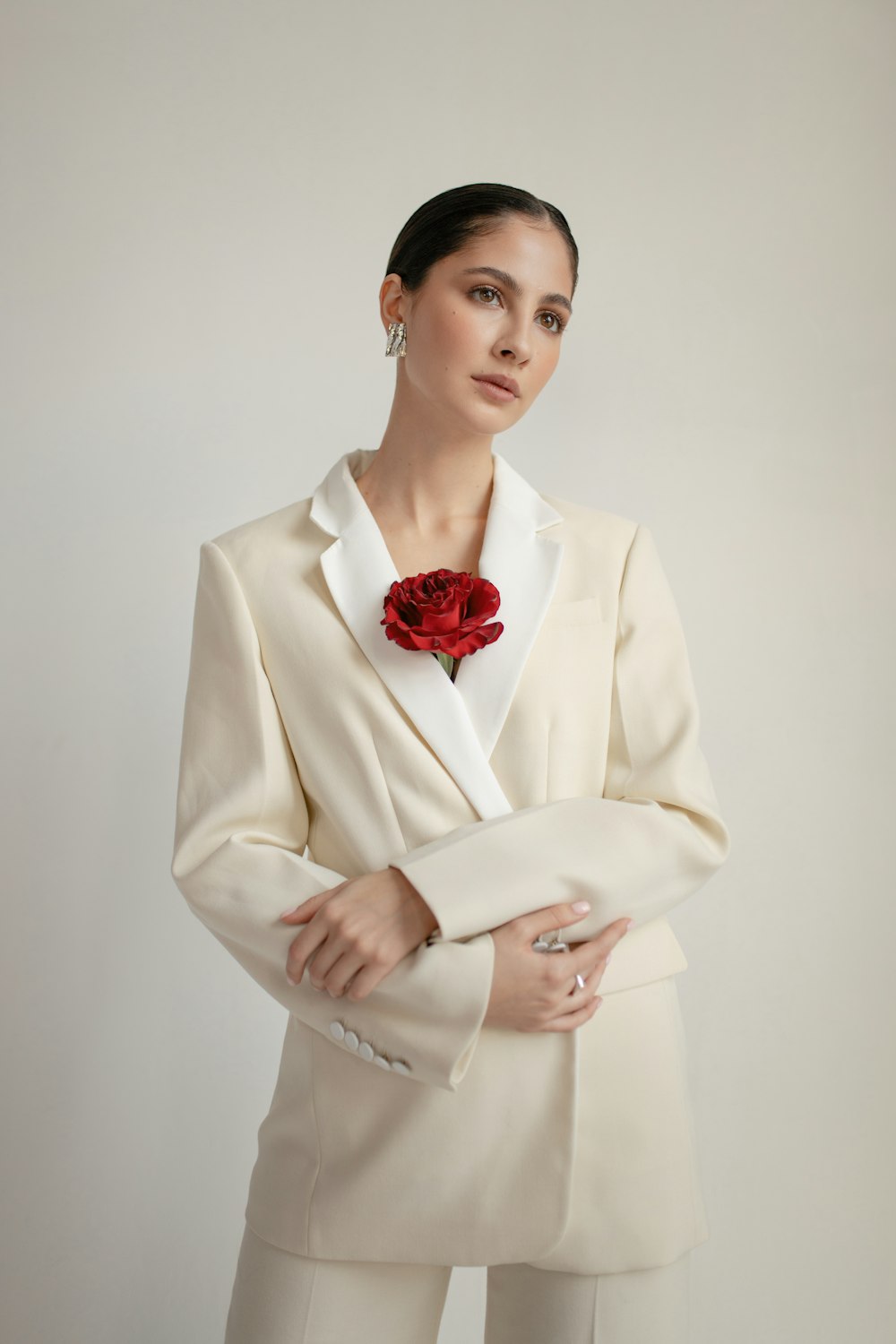
Compare a pale jacket with one small colour detail, reading the actual lapel and full outfit before adding several bright accessories to repeat an accent already visible enough.
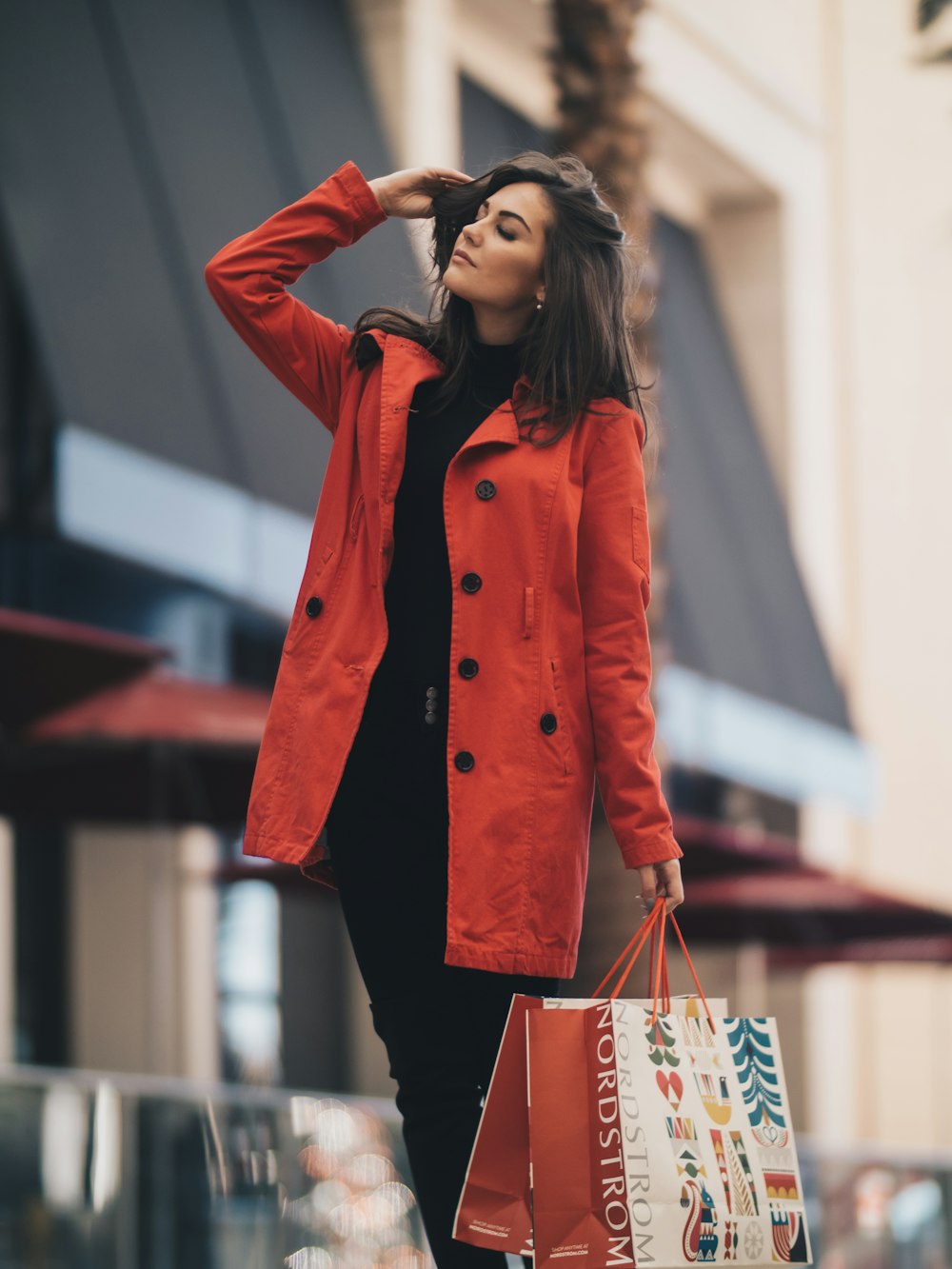
Give a red coat one quiet complete base, comparing neckline, lower garment and normal opening before a bright outer layer creates another accessory shopping list.
Keep a spare button connected to its garment, distinguishing known supplied parts from similar loose pieces before a future repair begins with a confident but unsupported match.

Plan a group portrait around clothes people already own, agreeing its purpose, tone and sharing audience without turning one image into an exact matching-outfit purchase.

Keep a mirror outfit reference clear about sides, checking the actual garment detail before a reflected image becomes evidence for a fastening, pocket or product comparison.

Keep a borrowed outfit’s return group clear, preserving ownership, supplied pieces and agreed timing instead of allowing a temporary loan to blend into the permanent wardrobe.
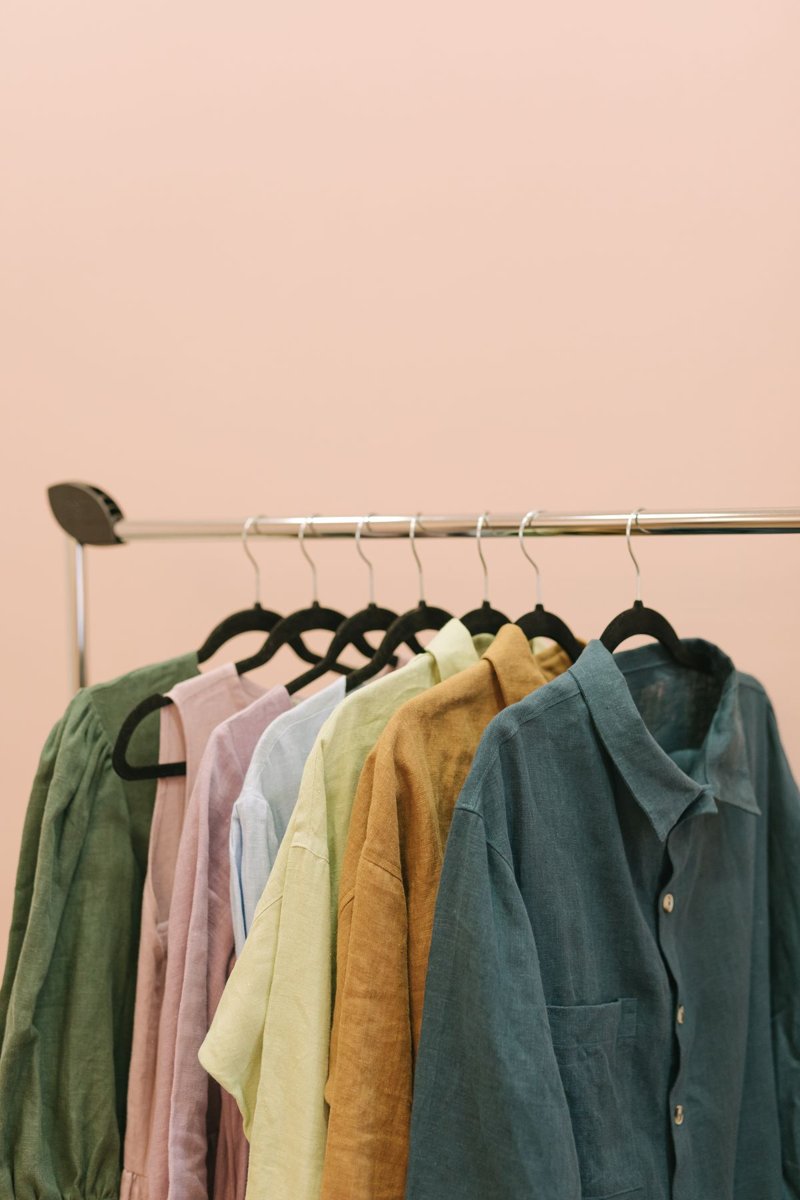
Leave the wearer a choice in a clothing gift, separating a thoughtful idea from assumptions about the exact garment, size and care before a surprise becomes a wardrobe obligation.
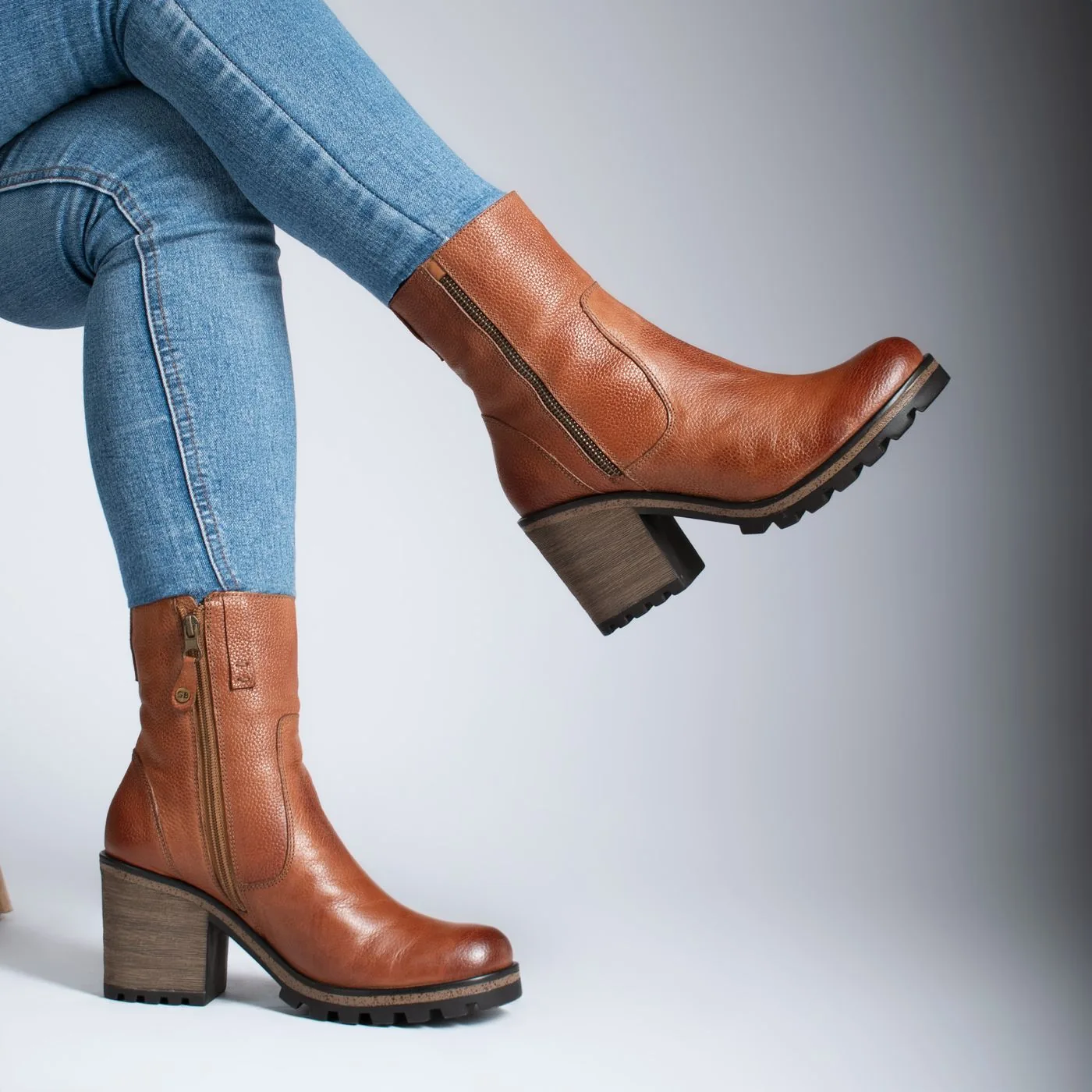
Ask for actual sole views of pre-owned boots, connecting both shoes with the seller’s condition account before a clear upper photograph becomes a complete purchase verdict.
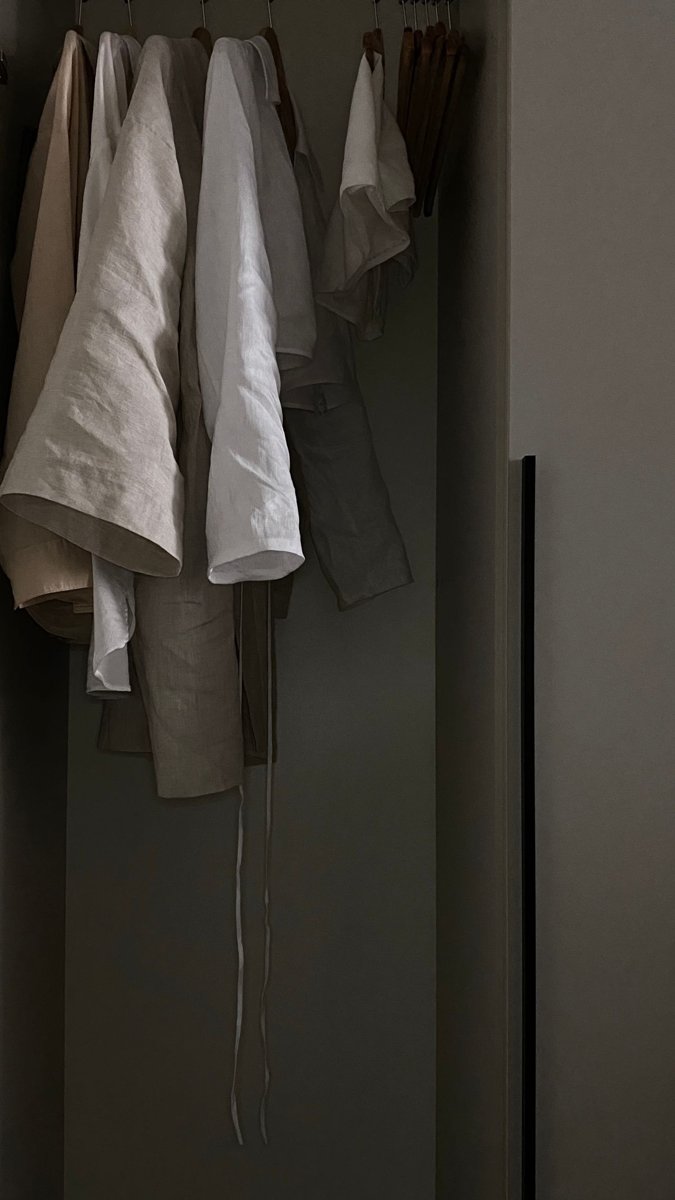
Keep an unreadable clothing label as an open question, using the actual garment and available evidence before a familiar surface becomes an unsupported material or care claim.
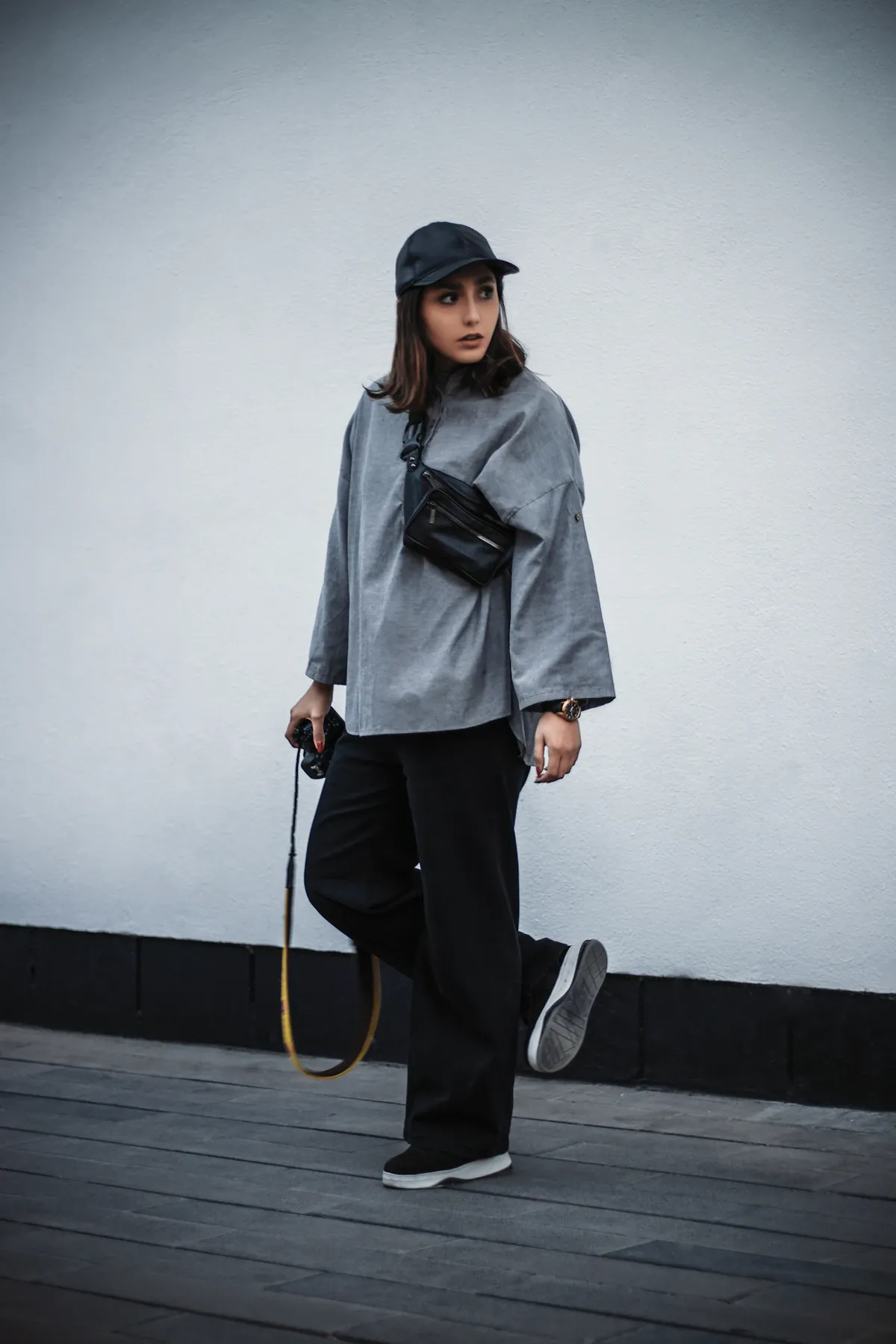
Read a cap and jacket collar as one upper group, comparing their visible shapes with the actual base and ordinary accessories before adding another detail near the face.