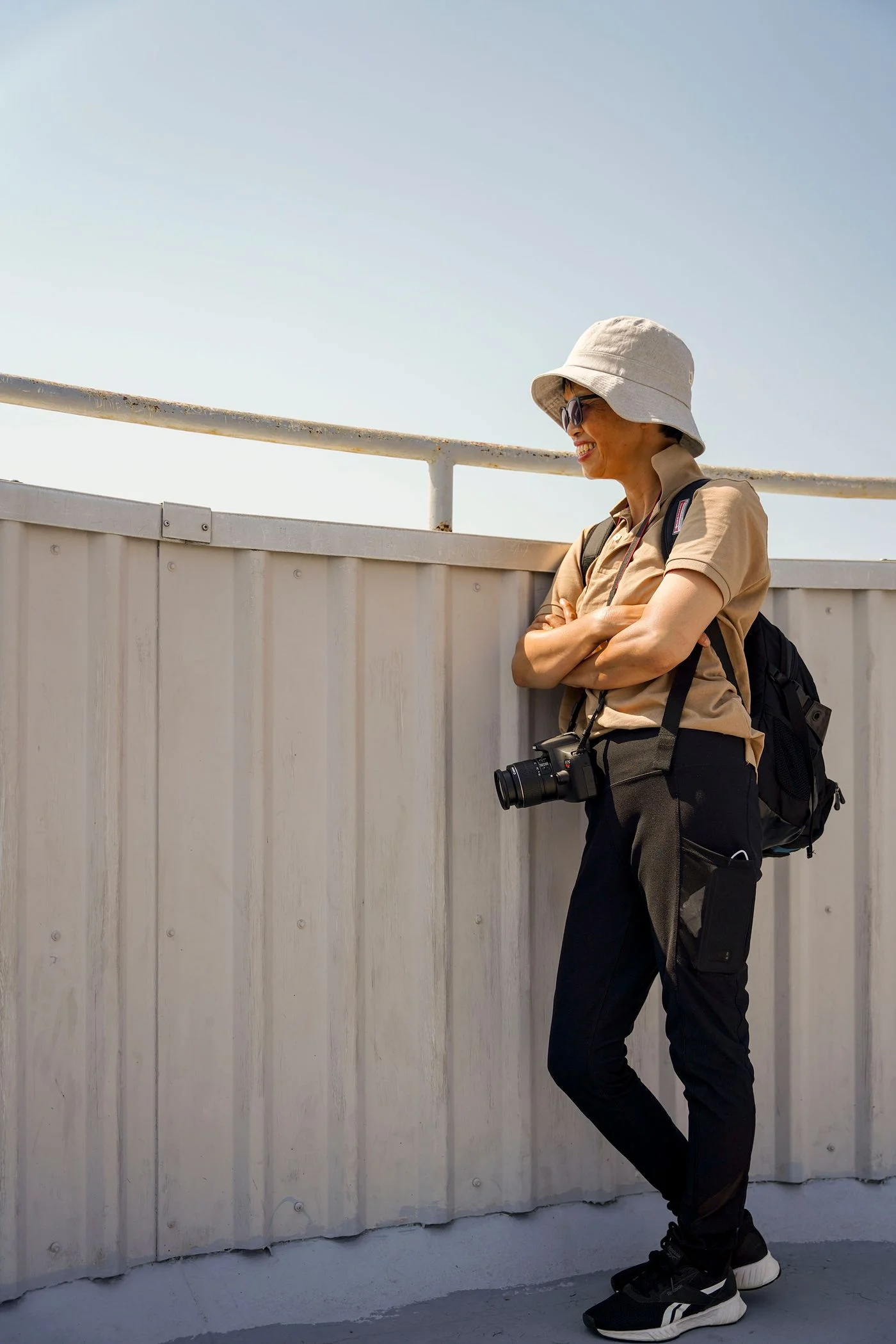
A camera can make a trip more enjoyable when it is easy to carry and ready for the photographs you want. Extra equipment can also occupy space without serving the actual itinerary. Start with a clear role and the device's guidance. A manageable kit needs suitable handling and storage, not the largest possible range of accessories or an assumption that every outing should become a photography session.
Name the photographs that matter
Think about a few ordinary subjects or moments rather than a complete professional assignment. A street detail, group memory or view can provide direction without requiring constant shooting. Choose equipment you understand and can manage comfortably. Do not infer that another lens or accessory is necessary simply because it appears on a general packing list. The trip's activities should lead the kit decision.
Check supported carrying equipment
Read manufacturer guidance for straps, attachment points and compatible accessories. Inspect condition and use the intended fastening method. Similar-looking connectors are not automatically suitable. Do not improvise a strap arrangement for a valuable device. Seek appropriate advice when condition or compatibility is uncertain. A camera's comfortable carrying position should follow supported use rather than a styled image of equipment hanging from an arbitrary point.
Pack a realistic load
Use the bag with the actual camera and necessary items, following its intended capacity. Keep equipment appropriately protected and important belongings managed for the setting. A bag that feels light empty can become awkward after extra accessories and daily essentials are added. Reduce unsupported or unnecessary duplicates before deciding that a larger bag is required. Spare space does not need to be filled.
Practise access safely
In a suitable setting, take the camera out, use it and return it without scattering other belongings. Check straps against clothing and the outer layer. Keep awareness of surroundings and follow site rules about photography and access. Do not place yourself or equipment in an unsuitable position to complete a shot. A simple carrying routine should support the day rather than interrupt every movement with complicated unpacking.
Include power and care
Follow device guidance for charging, storage and environmental conditions. Use compatible equipment and check current official transport requirements where relevant. Do not assume a bag provides protection against every weather condition. Choose suitable handling when conditions change and keep maintenance appropriate to the actual device. A short trip does not remove the need for a clear plan for equipment after use.
When should the camera stay packed?
When another activity, condition or rule makes that the appropriate choice. A trip can remain enjoyable without documenting every moment. Review which equipment was actually useful before the next outing. The successful kit has a comfortable supported carrying role and a manageable routine, allowing photographs to be part of the experience rather than the reason the whole bag and itinerary become harder to handle.
Related reading
Organise Hand Luggage Around What You Need Next, How to Plan a City Break When Rain Is Likely.