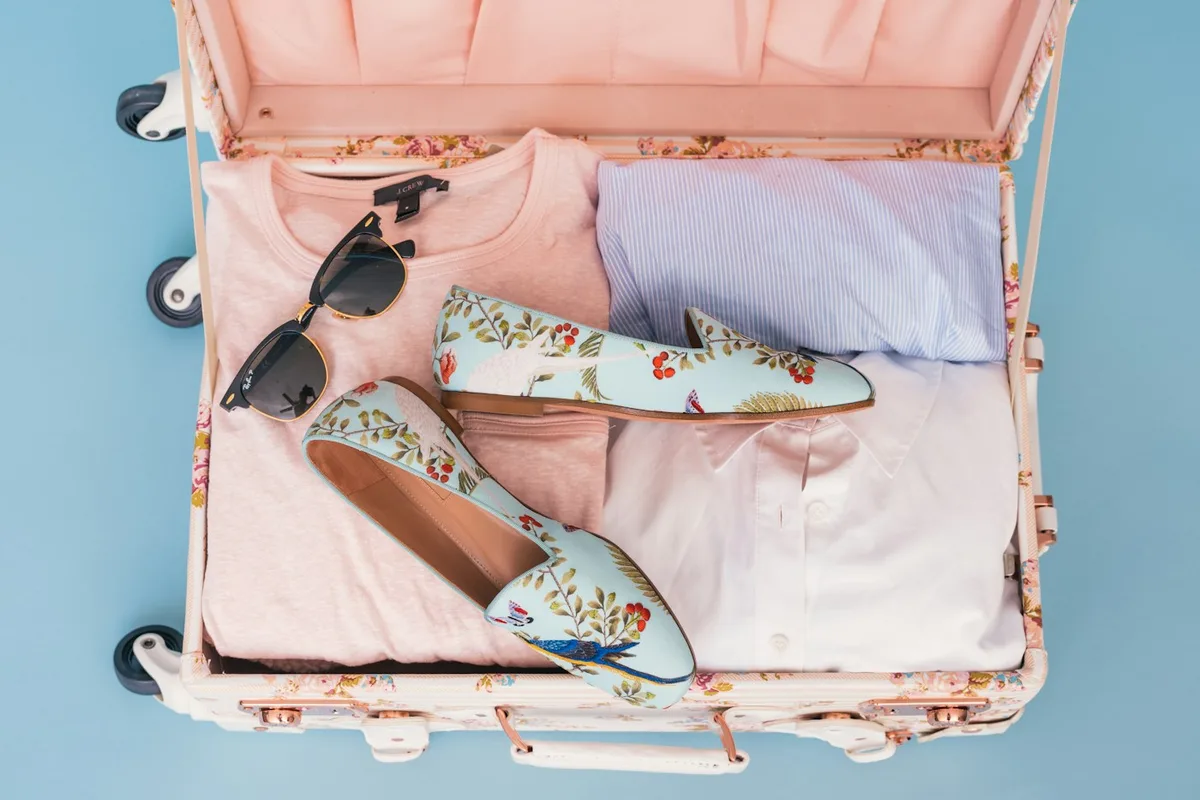
A case photographed open can show an appealing amount of packing space while leaving its complete external shape unclear. Product dimensions may describe different states or areas, so the numbers need their own context. Before comparing a candidate with a practical requirement, establish what the stated measurement includes. The useful record connects the exact case, its measured state and the relevant current requirement rather than treating an open interior image as a complete size specification.
Identify the exact case version
Keep the product name, version and relevant selection together. Similar-looking sizes can appear in the same gallery, and a photograph may not represent the active choice. Do not transfer dimensions from one variant into another because the colour and styling match.
Use the actual product information as the starting point. An estimated measurement from an image can be useful only as a visibly uncertain impression, not as a confirmed figure for a decision that needs precision.
Read what the dimensions describe
Look for whether the figures concern the outside, interior or another specified part. Preserve the source's wording about handles, wheels or other features where provided. Do not assume an omitted detail has been included.
Keep expanded and ordinary states separate where the product offers more than one intended arrangement. A dimension in one state should not silently stand in for all the others. Ask the maker or seller about an important unclear point.
Keep the practical requirement independent
If the case is being compared with a travel provider's condition, use that provider's current relevant information for the actual journey. A product's description as cabin size or similar wording does not settle every provider's rules.
For home storage, compare the complete appropriate stored state with the actual opening and space. Interior capacity does not describe the external shape that must pass through a cupboard doorway or occupy a shelf.
Use the actual item for an appropriate check
Where a case is already owned, follow the relevant product information and a consistent suitable measurement method. Keep the method and state with the result instead of recording an isolated number that cannot later be interpreted.
Do not modify or force a case to make an uncertain comparison appear successful. A packing photograph is not an instruction to compress components or ignore the product's intended setup.
The final note can be concise: exact version, source, measured state and the question it answers. A case may have a useful interior while remaining unsuitable for a particular external-size requirement. Keeping those roles distinct makes the decision clearer and prevents a satisfying open-luggage image from becoming evidence for dimensions it never actually established.
Related reading
Organise Hand Luggage Around What You Need Next, Checking Suitcase Wheels before a Short Break.