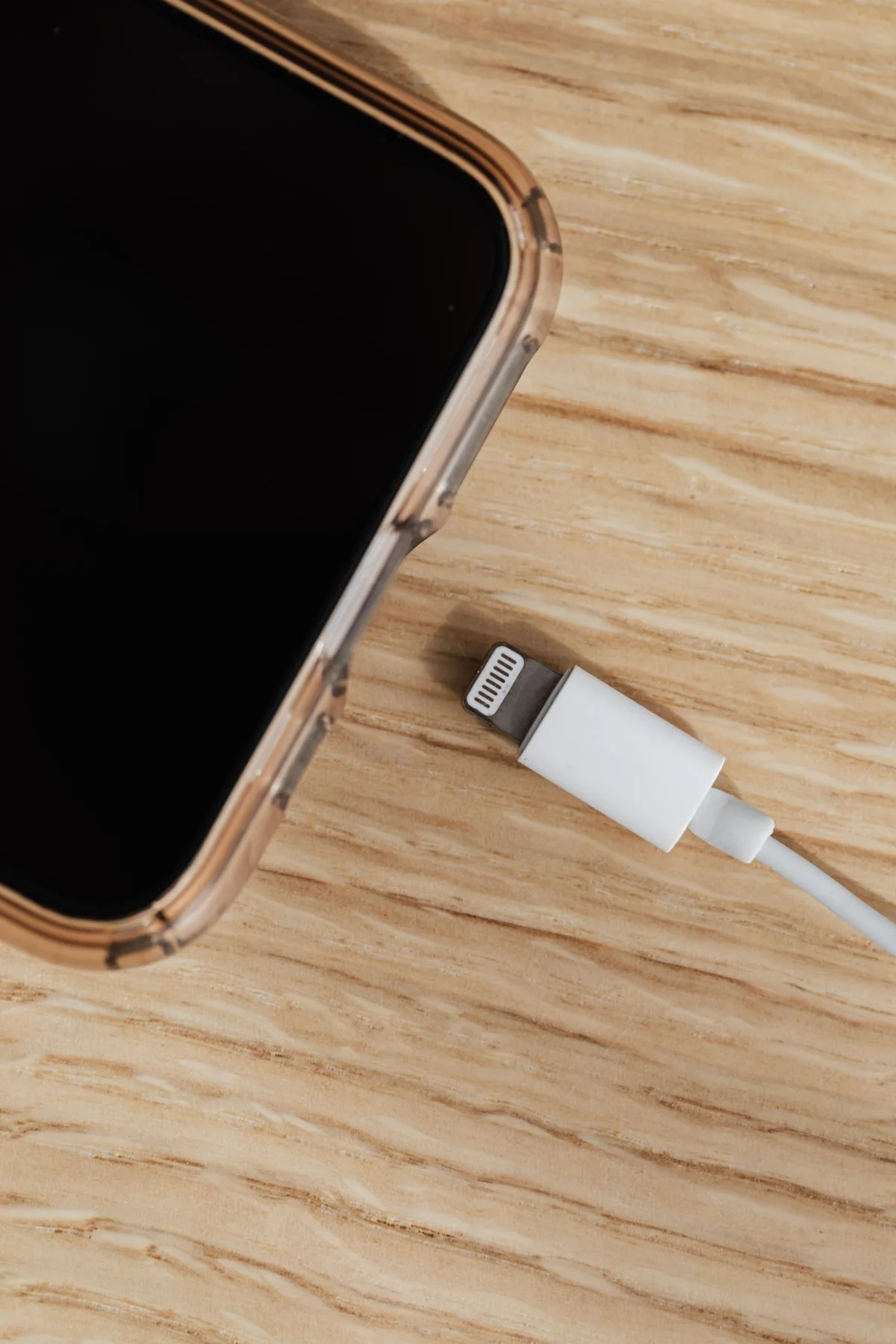
Charging equipment is easy to leave behind because it spends part of the stay attached to a socket rather than inside the bag. A useful kit should make missing components noticeable and contain equipment suitable for the devices carried. Start with manufacturer information and the actual journey. A tidy pouch is helpful only when it supports compatible use and a clear return check, not when it holds a collection of unidentified spare cables.
Identify the device requirements
Check official instructions for suitable charging equipment and relevant travel needs. A connector fitting does not establish electrical compatibility. Read the appropriate power and adapter information and seek qualified advice where uncertain. Verify destination supply and plug arrangements through reliable official information. Do not treat a plug adapter and a voltage converter as interchangeable. The equipment decision should come before choosing a small organiser to contain it.
Build a specific trip group
Lay out the devices and supported leads, then remove unnecessary duplicates. A shared cable can be useful when compatibility and the charging schedule genuinely allow it. Inspect condition and replace damaged components appropriately rather than carrying them as emergency backups. Keep any labels readable and connected to the right item. A compact group that is understood is more useful than an impressive pouch of possible connections.
Choose storage that reveals absence
Use a suitable container with enough room to avoid tight bending or pressure on connectors. Separate parts only where it protects them or makes the kit easier to check. An empty section or a short list can make a missing plug obvious. The pouch does not need every cable owned at home. Its role is to hold this trip's equipment and show what has not yet returned after use.
Set up charging appropriately
Follow device, charger and accommodation guidance. Keep equipment clear of water, unsuitable heat and blocked ventilation. Manage leads away from walking routes and strain. Do not improvise unsupported adapters or extension arrangements simply because the convenient socket is occupied. Ask the accommodation about suitable facilities when needed. Organisation cannot replace appropriate equipment and use.
Check each location before packing
Compare the kit with the original group and inspect the sockets and surfaces used. A cable may be back while its plug remains attached to the wall. Include any temporary charging location used during the stay rather than checking only the main bedside point. Allow time before departure so the task is not compressed into the last moment while handling bags and checkout.
Does everything need to charge at once?
Follow the manufacturer's requirements and choose a practical safe schedule for the devices involved. Do not assume all equipment has identical needs. The successful kit contains suitable sound components and returns together after use. A clear pouch and checklist can support that outcome, but compatibility, condition and appropriate charging practice matter more than owning a particular travel organiser or the smallest possible set.
Related reading
Organise Hand Luggage Around What You Need Next, Choose Short-Break Accommodation Around Your Actual Trip.