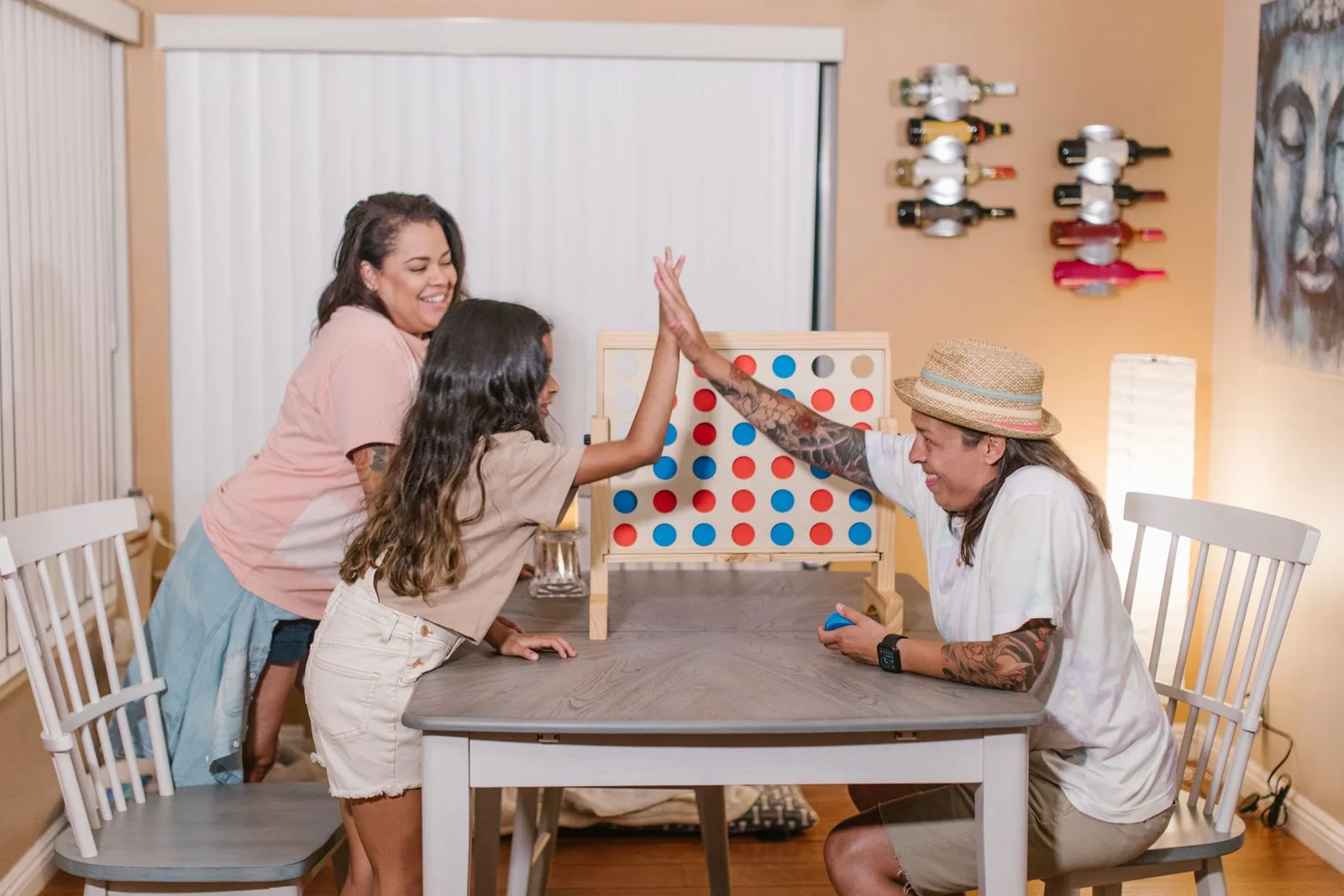
A game gift can look immediately appealing in a photograph of people gathered around a table. That scene does not identify every detail of the actual set being offered. Edition, language and supplied contents can matter to the recipient's ordinary use. Establish those details before choosing the gift, keeping the pleasure of a shared activity separate from assumptions created by a familiar name or an enthusiastic illustrative photograph.
Begin with the recipient's real interest
Ask whether the particular game or type of activity is welcome. Someone may enjoy a game during a visit without wanting to own it, or may already have a version that serves the same role. A thoughtful gift does not require surprise to remain personal.
Keep any group participation assumptions modest. A box does not guarantee that the recipient has a particular number of willing players available on a regular schedule. The actual interest matters more than a posed gathering.
Identify the exact version
Retain the complete product name and edition information supplied by the seller or maker. A familiar title may appear across several versions with different contents or intended arrangements. Do not let a general image overwrite the selected offer.
Check the stated language where it matters to the recipient. Packaging, printed components and instructions can have different roles. Ask about an important unclear point instead of assuming that one visible word identifies the whole set.
Read the supplied scope
Look at the actual contents information and relevant maker guidance. Distinguish the stated set from optional accessories or another product shown as part of a styled scene. A photograph of pieces already arranged on a table is not automatically a complete package list.
Keep appropriate participant and use information connected to the particular version. Do not transfer a remembered rule or requirement from another edition merely because its board or packaging looks similar.
Preserve useful gift information separately
Use the seller's actual purchase and gift process rather than assuming a standard exchange arrangement. Keep the exact selected version with relevant confirmation so the recipient can identify what was supplied if a question arises.
The personal message can explain why the game brought them to mind without promising endless entertainment or a particular future gathering. Let them choose how and when the gift fits their life.
The final decision can be a specific confirmed set, a shared choice or another welcome gift entirely. The useful preparation is the same: actual recipient interest, exact edition and clear supplied information. That allows a game photograph to remain an inviting illustration while the real product details determine what the gift will actually be.
Related reading
How to Host a Board-Game Evening People Can Settle Into, Choosing a House of Staunton Chess Set for a Home You Live In.