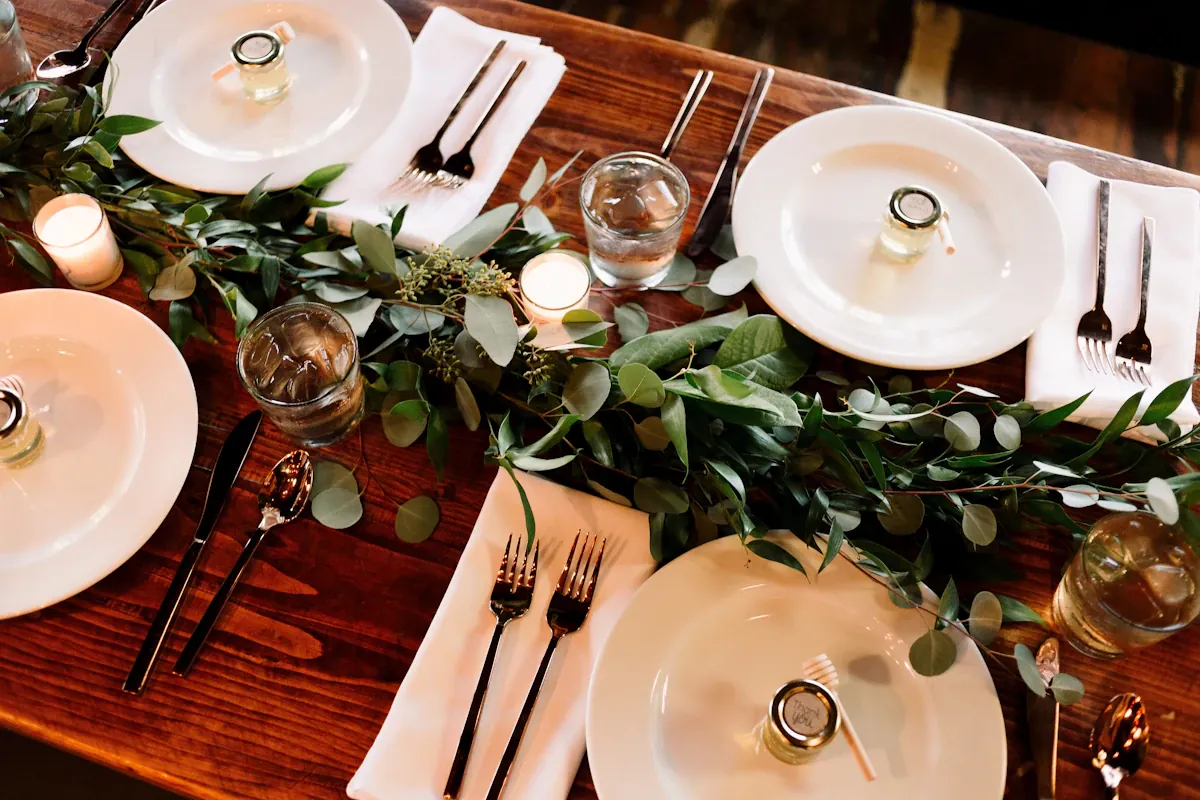
A tableware gift photograph may show plates, cutlery, glasses and linen arranged as one complete setting. The actual purchase can include only one part of that scene. Read the exact scope before deciding what the gift provides. A thoughtful choice keeps the recipient's real use central without promising a coordinated set the listing never offers.
Identify the included product
Read the precise item or set description beside the photographs. Note which pieces are included and which are styling. If several variants appear, keep the version under consideration clear rather than combining the most appealing features from different images.
Do not infer material or care information from a pale colour or reflective surface. Read those details for the actual product. A matching appearance does not establish that separate pieces share the same instructions or intended role.
Use what the recipient actually expressed
Keep a stated preference separate from an assumption based on one meal or a photograph of their home. A person may enjoy a particular plate without wanting a large coordinated group. A modest clarification can make the gift more personal without turning it into a surprise built on guesses.
Consider whether the item has a clear standalone role or depends on further purchases. An attractive plate can be a valid individual gift where appropriate, but it should not arrive as an unexplained obligation to complete an expensive-looking setting.
Review the practical context
Read stated dimensions and product guidance. A styled table can be much larger than the recipient's ordinary space, and an outer outline does not explain every storage detail. Keep confirmed information separate from assumptions about spare cupboards.
If a relevant detail is missing, ask a specific question tied to the actual set. An enquiry about included pieces or supplied care information has a useful scope. A broad request to confirm quality cannot answer every practical concern.
Avoid unnecessary matching additions
Look at the role the gift is intended to serve rather than adding every nearby object from the photograph. The recipient may already have suitable belongings and a preference for combining them. A simpler gift can offer more flexibility than a complete display chosen on someone else's behalf.
Keep decorative wishes distinct from practical needs. Both can matter, but they should not become the same justification without evidence. A coordinated image is a visual suggestion rather than a complete account of the recipient's household.
Preserve useful handover information
Retain relevant purchase and product details through the appropriate gift process. Read current seller information where it affects the actual decision, and avoid promising an outcome from memory. Explain what is genuinely included rather than relying on the original campaign picture.
A scope-led tableware gift lets appearance and personal meaning inform the choice while preserving real use, product identity and honest limits. It keeps the photograph in the role of inspiration rather than allowing the styled setting to become an unsupported promise about the gift itself.
Related reading
Returning Cooking Pots and Lids after Dinner, A Gift-Wrapping Surface That Packs Away.