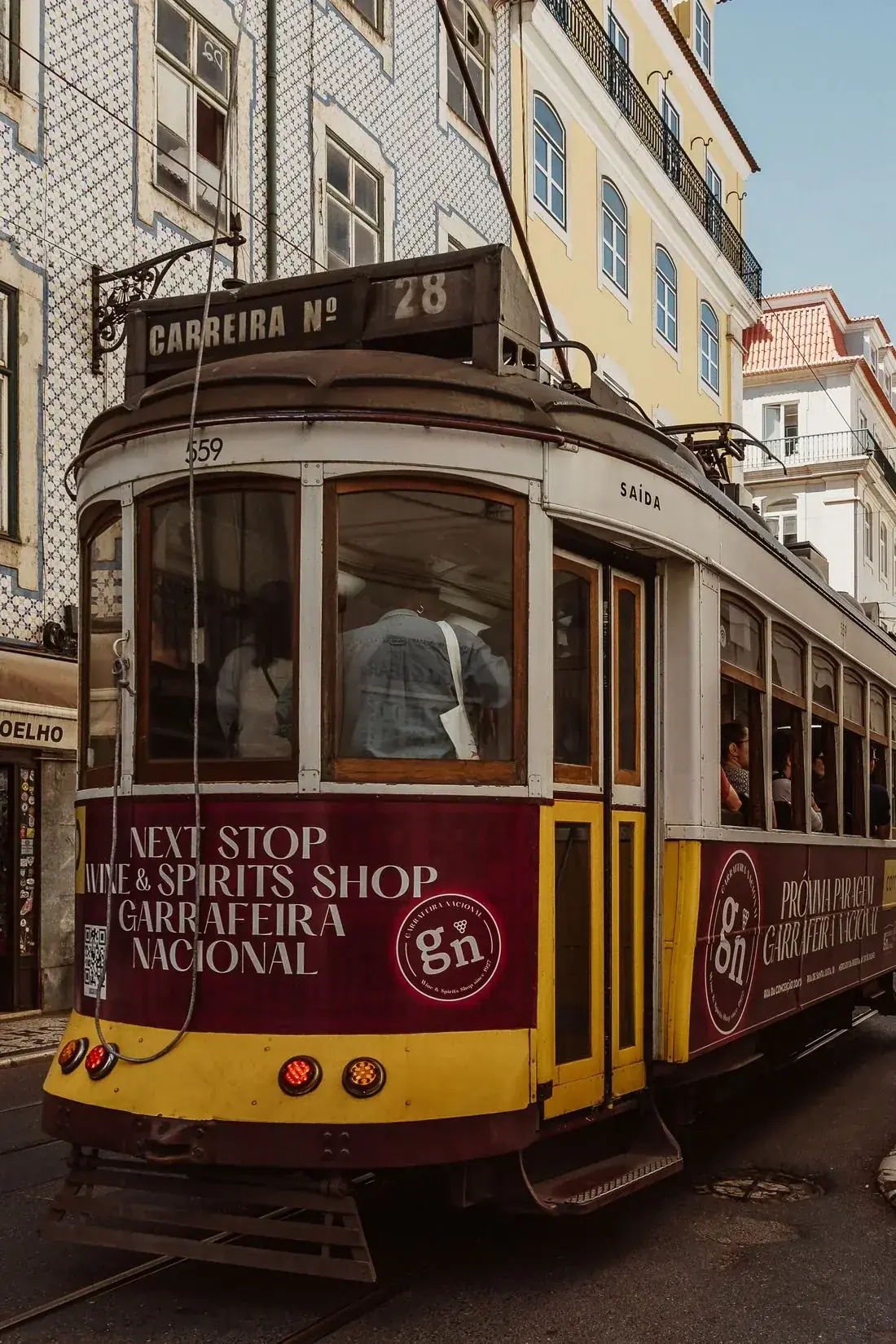
A tram photograph can become the memorable part of a city-break folder while the practical route information remains unclear. A vehicle's colour or a picturesque street does not establish the service you need for your own journey. Keep the image as visual context and give the route question a separate current reference. This makes the travel note easier to understand without discarding the inspiration that first attracted you.
Name the actual journey
Write the origin, destination and intended day context in plain language. A plan to see a city and a plan to travel between two specific places are different tasks. Keep your own agreement with companions separate from the general attraction of a transport photograph.
Do not infer a route, stop or timetable from a vehicle visible in an image. A photograph records one moment and may not identify current service information. Use the appropriate current operator source when the practical journey requires an answer.
Keep visual context beside factual references
Save the image's source where appropriate and use only material you are entitled to keep or share. Name what the photograph helps you recognise, such as a general vehicle style or an attractive scene. Avoid assigning a current route identity that the image does not establish.
Keep a separate exact reference for the journey information you actually checked. A product-style crop of a tram can be visually clear while leaving every relevant travel detail outside the frame. The two records can sit together without becoming the same kind of evidence.
Make the itinerary note specific
Use current relevant information for the intended trip and preserve its context. A screenshot or copied note can lose meaning if the date, direction or source disappears. Keep the practical question clear enough to revisit rather than saving several unexplained images.
If the journey changes, update the active note deliberately. An old visual reference can remain in a memory folder without appearing to govern today's route. Do not assume a familiar colour means two saved items describe the same service.
Keep outfit and bag planning separate
Choose clothing and belongings for your actual day using their own product guidance and your preference. A picturesque transport image does not require recreating the photographed person's outfit or carrying every accessory shown nearby.
Review the ordinary bag and layer sequence in a suitable space. The practical carrying task can be considered independently of the operator information, and neither should be asked to answer questions belonging to the other.
Preserve a useful visit record
After travelling, distinguish your actual experience note from the inspiration image and the former active plan. Keep only relevant context and avoid retaining unnecessary personal information about companions or private arrangements.
A tram photograph can remain a valuable visual reference when its role stays honest. Current operator information and an exact personal journey note supply the practical meaning, allowing inspiration to support the trip without turning a distinctive vehicle image into unsupported route guidance.
Related reading
What to Pack for a Weekend Away by Train, A Short Trip Note before the Details Fade.