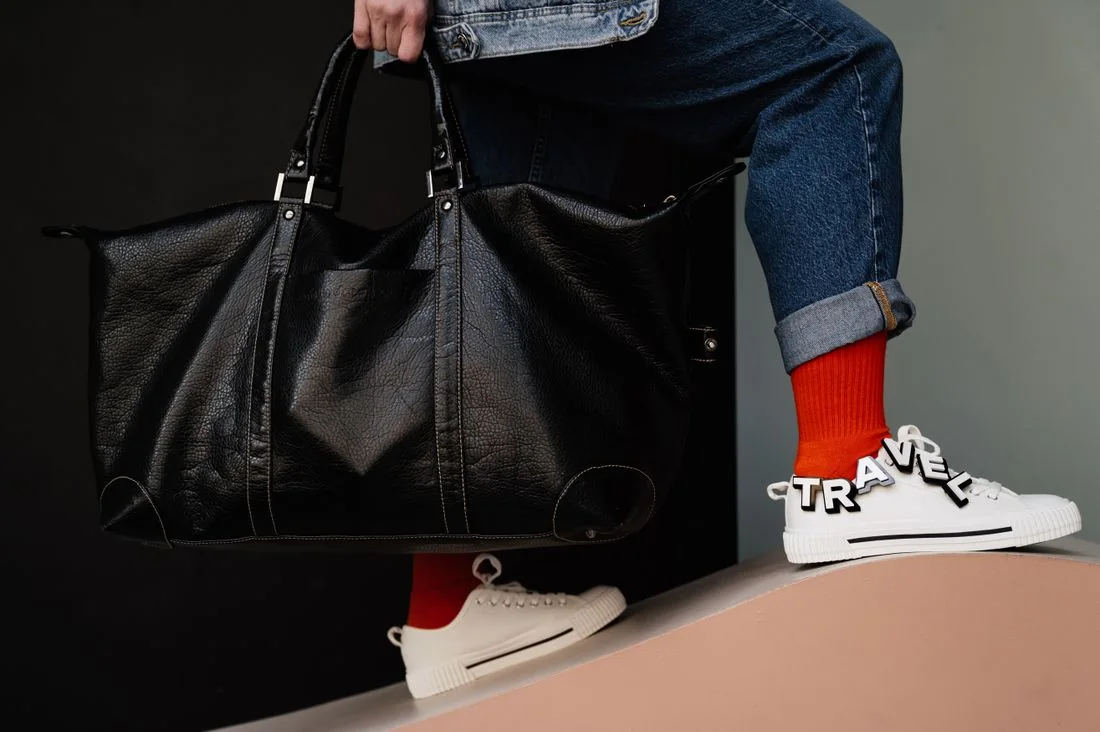
A shared travel bag can pass between companions during a journey, but the handover should remain clear. Identify what is being transferred and who is managing the next step. A useful arrangement preserves ownership and practical responsibility rather than leaving each person to assume the other has accounted for the contents.
Identify the actual group
Agree which bag and associated components are involved. Keep personal contents and ownership clear without requiring unnecessary private detail. A shared carrier does not make every item inside it jointly owned or available for use.
Follow the bag maker's intended use and carrying guidance. A brief transfer does not establish that an unfamiliar handle or component can support the role being assigned. If operation is unclear, obtain relevant information before relying on it.
Clarify the next task
State who is carrying the bag and where the handover is expected to end. A short journey section and an overnight transfer can need different arrangements. Keep the purpose specific rather than treating the whole trip as one unspoken shared responsibility.
Check relevant current operator or venue requirements directly where they matter. A manageable carrying arrangement at home does not establish permission for every part of the journey. Keep those actual requirements alongside the personal agreement.
Preserve access to essentials
Identify what each person needs during the shared carrying period and use appropriate personal arrangements. Avoid assigning necessary items to a bag whose location will be uncertain at the relevant moment. The handover should simplify the journey rather than create another search.
Keep contents within the product's intended role and avoid overfilling it because two people's belongings are being combined. A shared load still needs a suitable physical arrangement. Edit unnecessary items or choose another appropriate option where needed.
Make the physical transfer deliberate
Use intended handles or carrying components and keep the movement manageable in a suitable place. Do not pass a loaded bag through an awkward gap simply because the transfer seems brief. Account for other belongings rather than creating an unstable bundle at the same time.
Confirm the recipient understands the next action without turning the handover into a complicated checklist. A plain statement of destination or return can be enough. Avoid ambiguous phrases that leave both people expecting the other to complete a later task.
Close the shared role
At the agreed point, account for the bag and relevant contents through an appropriate arrangement. Report any concern clearly before unfamiliar treatment or repair is attempted. Personal and product information should remain associated with the actual objects.
Return the bag through its appropriate care and storage routine when the trip is complete. A useful shared travel-bag handover keeps the temporary responsibility understandable. It supports companionship without making a common carrier an anonymous object whose contents, location and final return belong to nobody in particular.
Related reading
Organise Hand Luggage Around What You Need Next, What to Pack for a Weekend Away by Train.