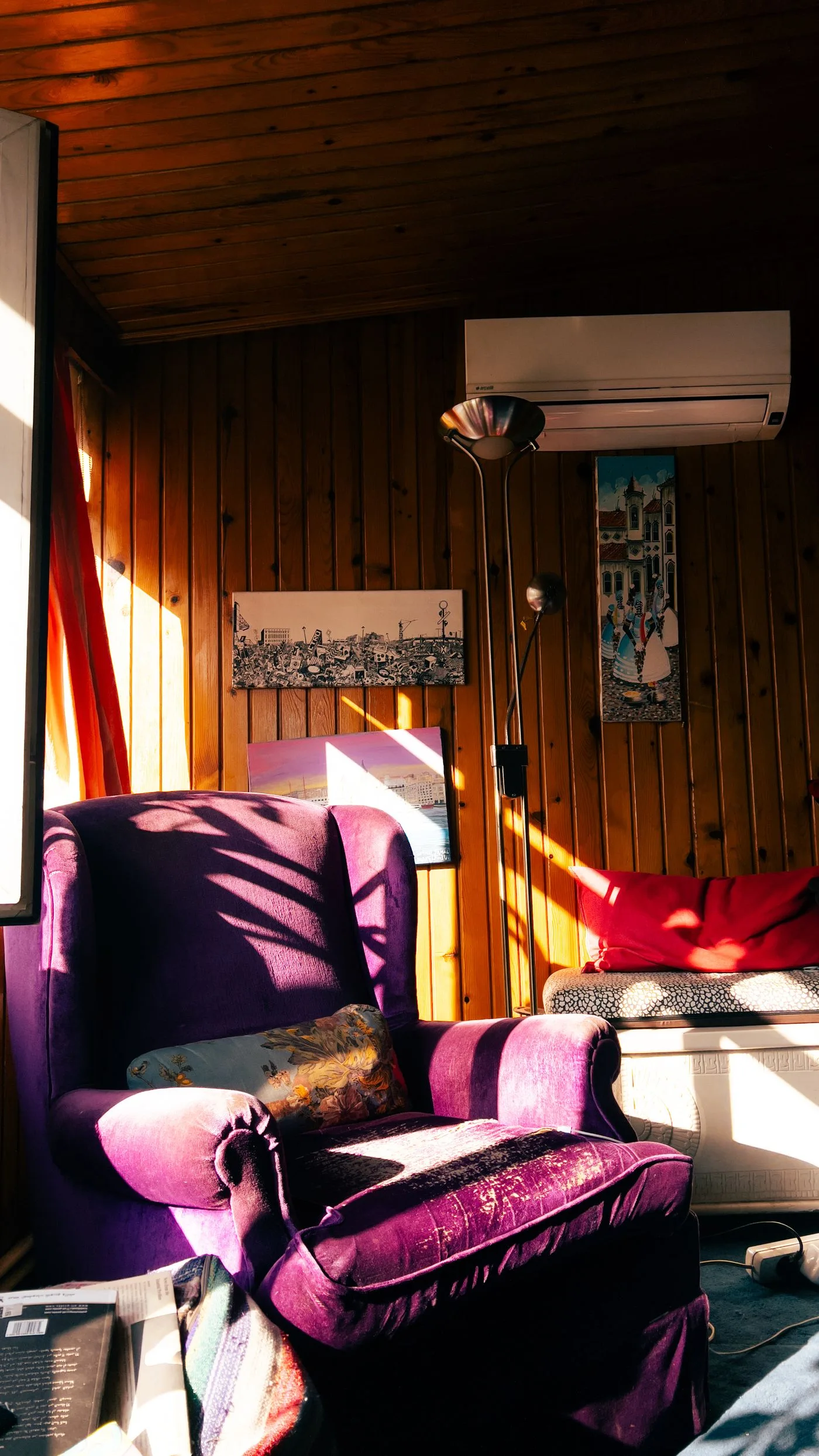
A room photograph can show how a picture sits among furniture without identifying the exact version offered for purchase. The image, print format and any stated edition need a more precise record. Keep those details with their source before the candidate joins a general inspiration folder. A successful display can inform a room decision, but it should not become evidence for the authorship, scope or supply of another artwork merely because the images look similar.
Identify the actual offered work
Retain the title and maker or artist information exactly as the source supplies it. If a name or attribution is uncertain, preserve that uncertainty instead of completing the record from an unrelated search result or a familiar visual style.
Connect the information to the actual offer. A room gallery may include several pictures as styling, and the most prominent piece in a photograph is not necessarily the one described by the active listing.
Separate image identity from supplied format
Read whether the candidate is an unframed print, a framed item or another explicitly described form. Keep dimensions with the part they describe. An image size, paper size and outer frame measurement do not all answer the same question.
Do not assume that a pictured mount or frame is supplied unless the offer establishes it. The display can remain useful inspiration while those surrounding pieces stay outside the actual contents.
Preserve edition wording as a sourced statement
Where the source describes a version or edition, record its wording and relevant identifying information. Do not add claims about rarity, future value or authenticity that the available evidence does not establish.
If the distinction matters to the choice, ask the appropriate source about the exact candidate. A related image found elsewhere may describe a different version rather than resolving the current offer's question.
Return to the room's actual purpose
Compare the picture's visible subject and colour with the existing room, keeping personal interest in the image separate from a wish to complete a palette. A work can be meaningful without matching the sofa precisely.
Consider the intended display only through the actual product and setting's requirements. A room photograph should not supply an improvised fixing or handling method for an unfamiliar piece.
The final note can preserve enough identity to revisit the candidate without becoming a collection of unsupported claims. Exact source, stated format and relevant edition information are useful; invented history and confident value predictions are not. Keeping those roles clear lets the artwork remain both a personal visual choice and a reviewable offer, rather than a vague memory of an appealing picture seen above someone else's chair.
Related reading
Compare the Visible Print Crop before Choosing a Picture Mount, Testing a Wall Colour beside the Furniture That Will Stay.