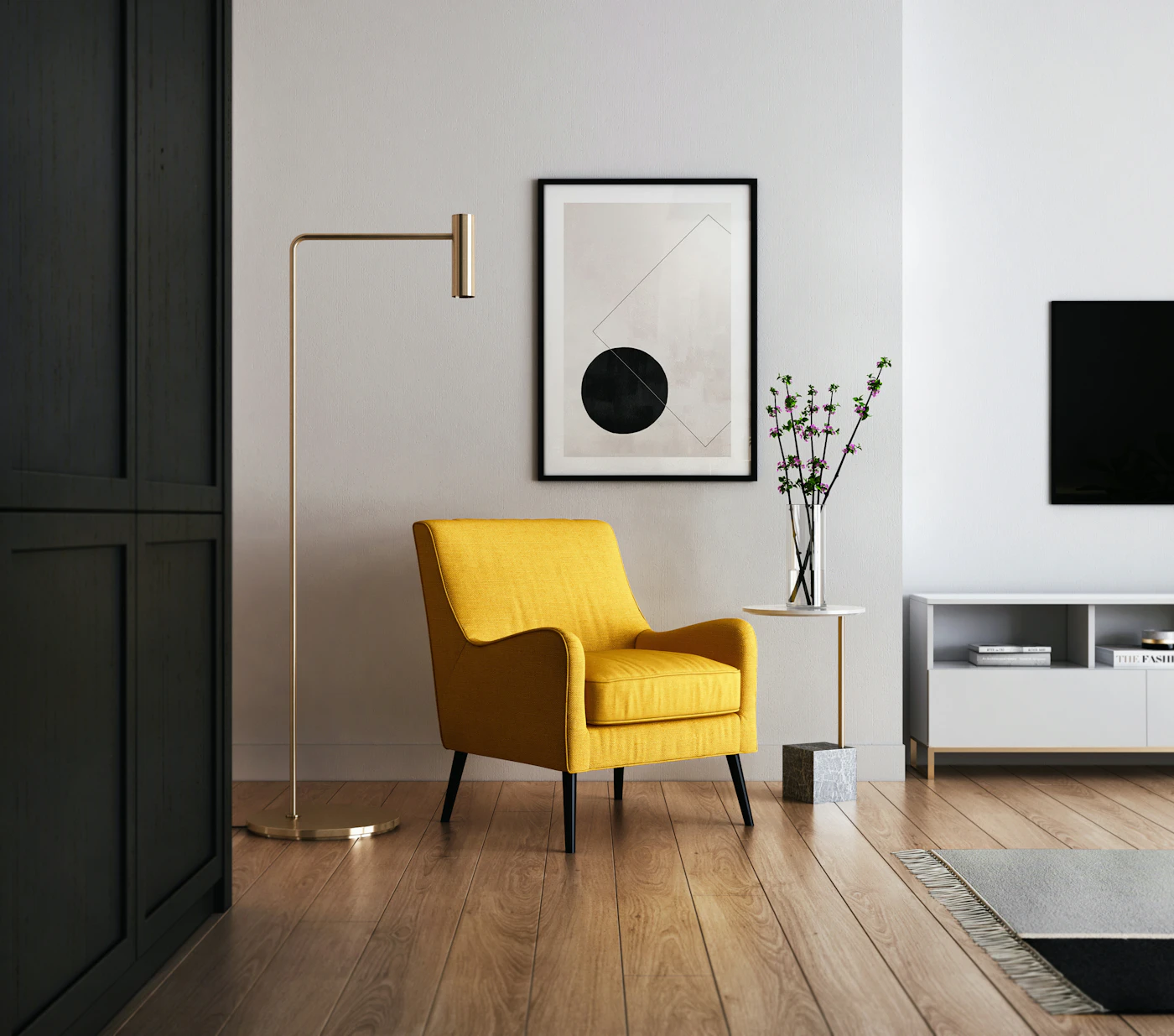
A frame's outside size does not tell you how much of the image remains visible behind its mount. The opening can conceal a small border, an important handwritten detail or part of a carefully composed photograph. Compare the actual image and product information before choosing the arrangement. The aim is an understood visible crop, not simply a collection of matching size labels.
Separate the dimensions
Keep the frame's external dimensions, intended print size and stated mount opening distinct. They answer different questions. A product can suit a particular print format while leaving a smaller area visible once assembled as intended.
Read the exact candidate's information rather than assuming another frame from the same range has identical proportions. If the visible opening is not supplied and matters to the image, preserve that question for the appropriate product source.
Identify what must remain visible
Look at the complete picture and name the relevant edges or details. A generous plain border may tolerate another visible crop differently from a face near the edge or text that belongs to the composition.
Keep the image's intended orientation clear. A tall frame gap in a room does not make every picture suitable for a vertical crop. Choose the image as something to view rather than a surface that must fill the furniture arrangement at any cost.
Compare without altering the original
Use an appropriate working copy or a non-damaging visual reference to understand the proposed crop. The comparison should not require cutting, marking or otherwise changing an original picture merely to test an uncertain idea.
Do not measure a perspective product photograph as though it were a reliable diagram. Use actual supplied dimensions and their stated scope. A screen image can help with appearance while remaining insufficient for precise fit.
Keep the frame's use separate
Read the relevant product information for assembly and intended display. A styled room picture shows an arrangement, not how another wall or surface supports a particular frame. Installation questions belong to the actual products and room rather than this crop review.
The frame and mount may be offered as one set or as separate components. Keep the included scope clear before comparing candidates. A photograph of several pieces together does not establish that every component is supplied.
Return to the room at the right scale
Once the image's visible area is understood, compare the complete frame with the place it would occupy. The wall and furniture provide context, but they should not conceal an unresolved question about what the picture itself will show.
Record the exact candidate and the crop you would accept. If the arrangement hides a detail that matters, another frame or image can be the considered result. A clear distinction among dimensions lets the picture remain the purpose of the display, rather than the part most easily sacrificed to make a standard label appear convenient.
Related reading
A Framed Picture on a Useful Console, A Thoughtful Guide to Second-Hand Home Shopping.