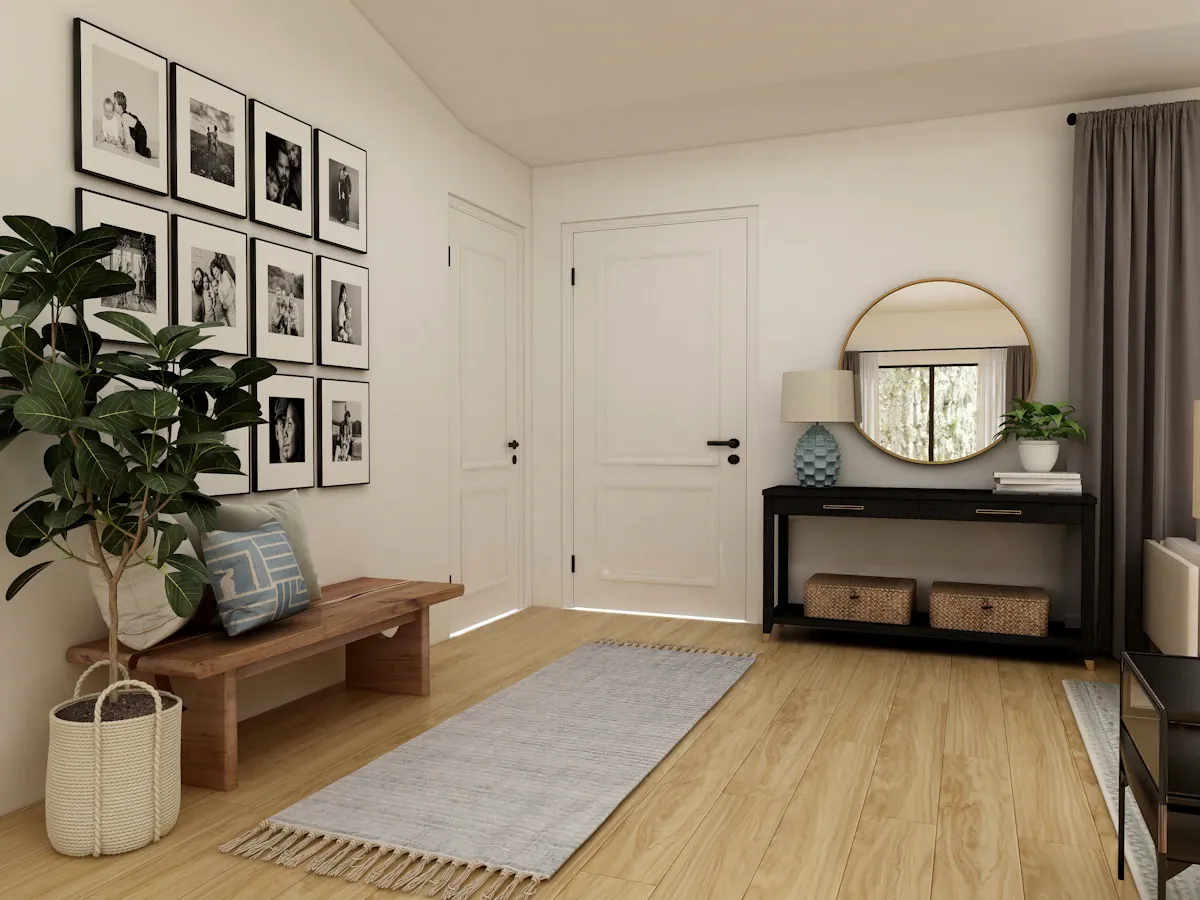
An entryway can hold tomorrow's bag beside today's receipt and a coat awaiting a question. The group looks like preparation while containing several different statuses. Separate the actual departure items from unfinished tasks before adding more storage. A useful ready area should make the next step easier to understand, not require you to reconstruct yesterday's intentions during a busy morning.
Define the real departure group
Name the activity and belongings genuinely needed for the next outing. Keep speculative additions separate from confirmed needs. An attractive entryway photograph cannot establish what belongs in your particular day.
Choose the actual bag and clothing within their relevant guidance. A product waiting for care or clarification should not silently enter the ready group because it is placed near the door. Location and readiness answer different questions.
Return today's straightforward belongings
Review small objects taken from pockets or the bag. Put ordinary items back in their established suitable places rather than adding them automatically to tomorrow's load. Keep another person's belongings identifiable and arrange a clear handover where appropriate.
A receipt or note can need a next action without needing to travel again. Read it and preserve the actual task in plain language. “Check this shirt order reference” is more useful than an unexplained folded paper under the bag handle.
Give unfinished questions another place
Choose an appropriate modest pause for unresolved items that does not obscure the ready group. A small private note can keep the question connected to the object. There is no need to buy a new organiser before understanding what remains.
Keep an unfamiliar garment component separate until its identity is established. A pale belt or other loose part should not join tomorrow's coat merely because the colours coordinate. Preserve uncertainty rather than completing a set through a guessed connection.
Review the physical route
Look at the entryway during ordinary household movement. Doors, cupboards and shared belongings retain their roles even when you are preparing an outfit. Use relevant fixture and product guidance rather than filling every visible hook or surface.
Keep the bag's intended handle or strap clear and give clothing its own appropriate place. One should not become improvised support for the other simply to make the group look tidy. A practical arrangement can remain visually modest.
End the preparation deliberately
Check that the ready group contains only understood belongings and that unfinished tasks still have clear next steps. If another person helps, explain what is actually ready instead of assuming they can infer status from position.
Review the arrangement when plans change, not as a repeated styling exercise. A clear departure group connects actual readiness with the next outing while preserving today's unfinished work separately, allowing the entryway to support real household life beyond the composed photograph.
Related reading
A Short Trip Note before the Details Fade, A Charging Kit with a Departure Check.