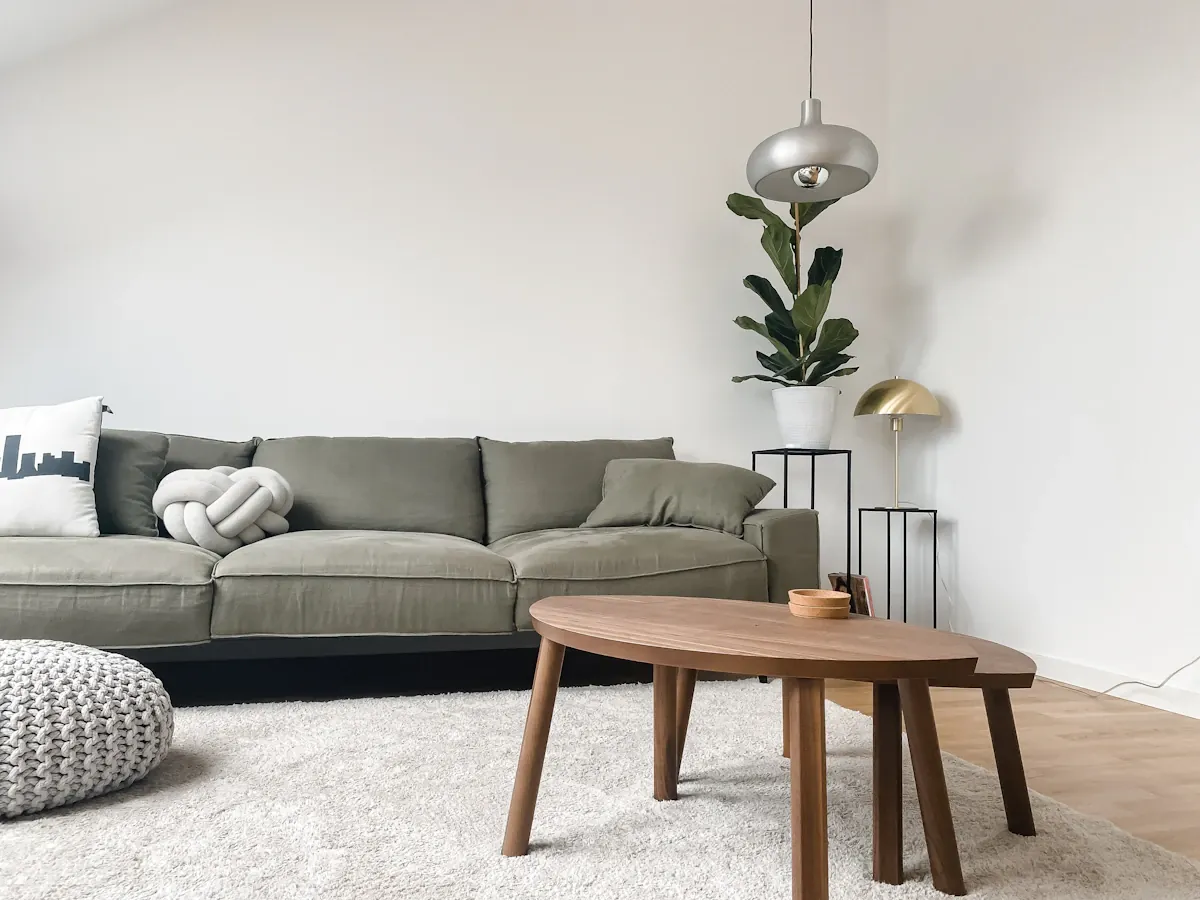
A decorative pot should suit the plant and the surface beneath it, not only the room's colours. Before buying, check the plant's needs and household suitability, then decide how watering and drainage will work. An attractive cover pot can be useful, but it does not remove the need to notice excess water. The complete setup should be easy to handle without creating a hidden damp spot beside a favourite chair.
Begin with the plant's requirements
Use appropriate plant-specific guidance for light, water and care, and check suitability around children and pets. Do not choose a living plant solely because a photograph shows it in a similar room. The actual location's conditions matter. If those needs are uncertain, ask a knowledgeable supplier before buying a pot that encourages placement in an unsuitable corner.
Compare inner and outer dimensions
Measure the current nursery pot or the planting arrangement recommended for the species. A cover pot needs enough practical clearance for removal and handling, not simply a matching top diameter. Check the base too, since tapered shapes can reduce usable space. Lift the planned combination where possible and consider its weight when watered. A large pot may be difficult to move safely for care even when it fits the room.
Decide where drainage is handled
Follow suitable plant and container guidance. A nursery pot inside a cover can allow removal for watering, while direct planting in another container has different requirements. Do not assume a decorative vessel is intended for that role. Check whether water can collect unnoticed at the bottom and make the arrangement easy to inspect. Convenience matters because an awkward setup is more likely to be left unchecked.
Protect the furniture appropriately
Identify the table or floor finish and use a compatible protective arrangement that does not itself trap moisture. Inspect beneath it regularly. A pad or coaster is not permission to leave standing water against a vulnerable surface. Keep the pot stable and away from edges, switches and routes where it may be knocked during ordinary use. Consider the plant's growth as well as its current size.
If water appears underneath
Remove it safely and assess the container, drainage and watering method. Follow finish-appropriate advice for any mark instead of applying an aggressive household remedy. Revise the setup before putting the same pot back in the same place. Adding another layer of fabric beneath it can hide the problem and keep moisture present rather than protecting the surface.
Does the pot need to match the room exactly?
No. A related tone or clear contrast can work, provided scale and practical use are suitable. Choose the care arrangement first and judge colour with the actual furniture. Clean containers according to material guidance and keep vulnerable household members protected as advised. A useful pot supports both the plant's needs and the room's ordinary routines, rather than turning each watering into a difficult furniture-moving task.
Related reading
Continue with How to Buy Autumn Knitwear You Will Want to Care For and A Carry-On Outfit Capsule for a Short Trip With Mixed Plans. These existing guides provide a broader starting point for the related wardrobe, home or planning decision.