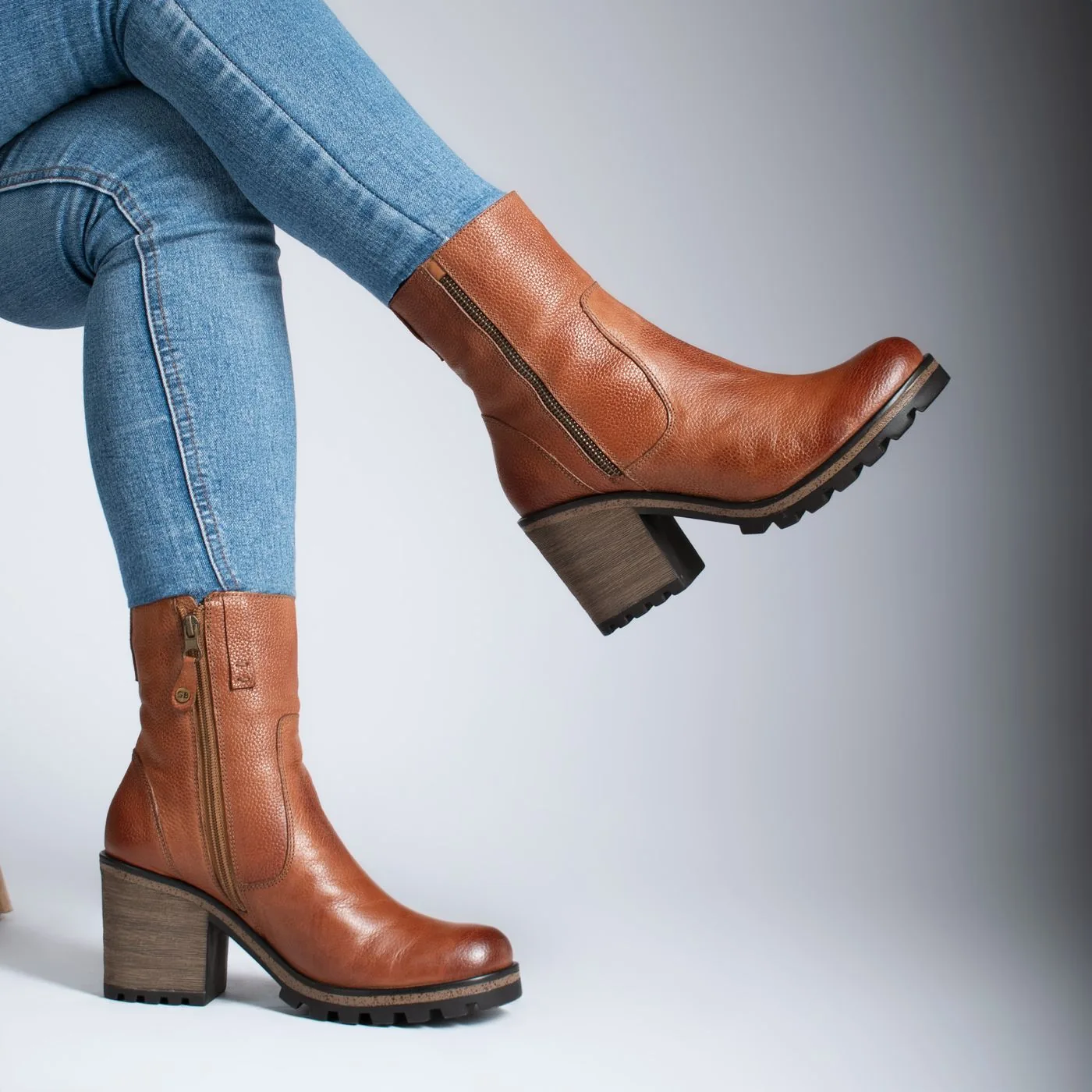
Pre-owned boots may be shown from an attractive side angle that explains their colour and shape while leaving the soles unseen. Ask for the actual views needed to understand the individual pair. A useful inquiry is specific and neutral: it identifies missing information without inventing a fault or assuming that a polished upper establishes everything below it. The purpose is an informed choice about these boots, not a general judgement about every previously worn shoe.
Confirm which pair the listing describes
Keep the individual product reference, stated version and relevant size information together. A shop may use general images alongside photographs of the actual item. Distinguish their roles before relying on either for condition.
Look at both boots where the relevant detail matters. A clear view of one does not establish that the other is identical in current wear or any work that may have been done.
Ask for a direct relevant image
Request ordinary photographs of the soles and heel areas not already shown. Include enough context to locate the detail on the actual pair. A dramatic close crop can make a mark look striking while making it harder to interpret.
Explain what the view is needed for rather than asking for an unspecified set of better photos. The seller can respond more usefully when the question identifies the particular missing area.
Keep observations separate from repair history
Describe visible differences without assigning a cause. A changed texture or stitch line does not prove a particular repair method. Ask what the seller knows and whether relevant work is documented.
Leave an unknown account as unknown. A confident narrative about how the boots were used can be as misleading as ignoring the soles completely. If an important issue needs specialist assessment, a casual listing exchange should not be treated as a substitute.
Relate the answer to a real wardrobe role
Consider the actual outing or ordinary use the pair needs to serve. A useful colour and an appealing heel shape remain only parts of the decision. Keep an unresolved practical concern visible even when the item seems unusual or difficult to find again.
Read the full description and the applicable purchase process together. If the boots arrive, compare them with the retained listing account through that process, raising a concrete difference rather than a new unsupported theory about their history.
Save the relevant answer with the individual reference while it remains useful. A clear record distinguishes the images, the seller's statement and the questions still open. It does not need a numerical condition score or a prediction about remaining life. The useful result is enough specific information to decide whether the actual pair belongs in the wardrobe.
Related reading
Rainy-Day Shoes for Real Walks, Errands, and Office Arrivals, Read Patterned Shoes as an Exact Product rather than a Styled Group.