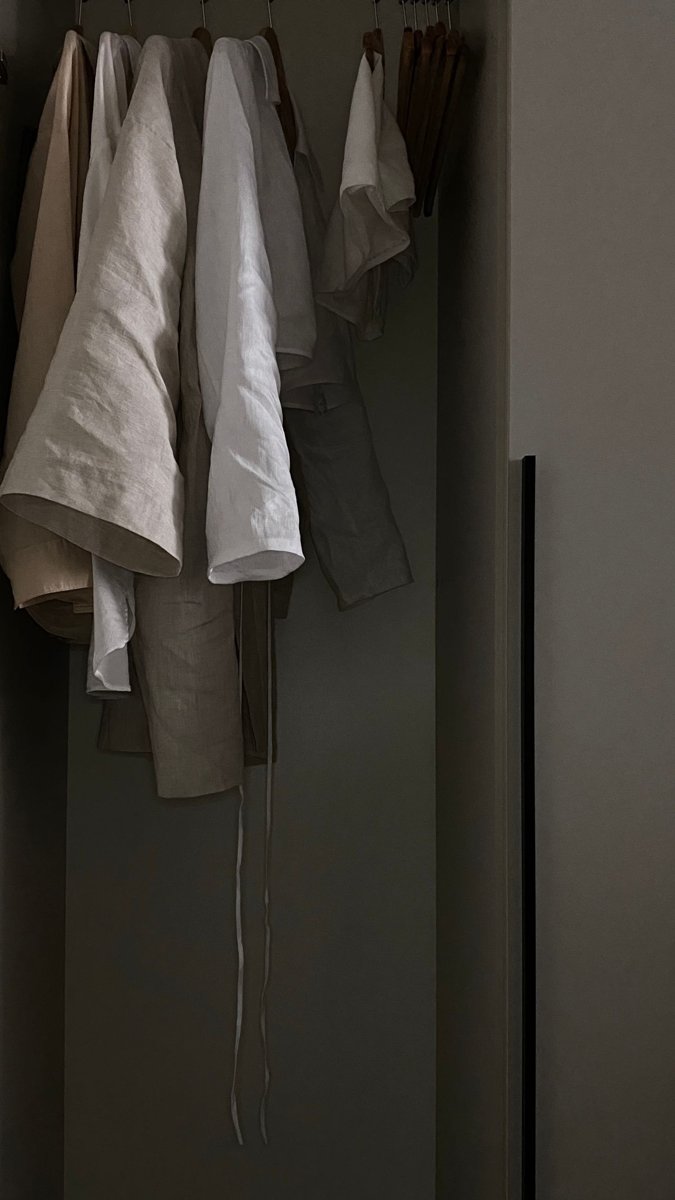
A garment can look familiar while its label supplies little readable information. The surface may resemble a fabric already owned, but that resemblance should not fill the gap with a confident composition statement. Keep the uncertainty visible while considering the item's role. A clear description can explain what is attractive about the piece without pretending that touch, colour or a softly lit photograph establishes how it was made or should be cared for.
Look for information genuinely connected to the garment
Review the labels that remain and any retained purchase or maker reference. Different labels can serve different purposes, so a readable brand name does not automatically answer composition or care.
For a listing, request an appropriate direct image if the current photograph is blurred or obscured. Preserve what can actually be read. A partial word should not be completed from another garment's label merely because the two appear similar.
Use visual description honestly
Describe a surface as textured, open or smoothly draping where those words reflect observation. Keep a fibre name separate unless relevant information establishes it. The distinction allows a shopping discussion to remain useful without giving up appealing detail.
If a seller offers a material attribution, retain it as their statement and ask what supports it where the answer matters. A tidy personal note should not make the source more certain than it originally was.
Avoid borrowing another garment's care routine
Similar-looking clothes can contain different linings, finishes or construction. Do not choose a treatment solely because it worked on a familiar item. The missing information is a real part of the care decision.
Seek appropriate qualified guidance where needed, explaining the evidence available and the question still open. Do not use an improvised test to manufacture certainty, particularly where it could change the item before its suitability has been assessed.
Decide what must be known before proceeding
Consider the actual purpose of the candidate. If an unresolved material or care question prevents appropriate use, that can be enough reason to pause or decline the purchase. Attraction to the colour does not remove the information gap.
Where a reliable answer is later obtained, keep it with the exact item and its source. Avoid allowing one confirmed result to spread into a general assumption about other garments on the same rail.
An honest wardrobe record does not need every field completed. It can preserve the useful shape and surface observations while stating that composition remains unconfirmed. That leaves future shopping and care choices grounded in what is actually known, rather than a familiar-looking garment acquiring an invented identity because uncertainty seemed untidy.
Related reading
How to Buy Autumn Knitwear You Will Want to Care For, Check Lining Information before Choosing a Dark Printed Dress.